
The Micro-Onboarding Revolution: Why 5-Step Tours are Dying
Standard product tours are friction. Learn how behavior-triggered AI micro-interventions provide the right guidance at the exact moment of need.
The Friction of the "Skip" Button
We have all seen it. You sign up for a new SaaS product, eager to solve a problem, and you are immediately greeted by a dimming screen and a pop-up: "Welcome! Let's take a 5-step tour."
Your thumb reflexively hunts for the "Skip" button.
Why? Because traditional onboarding tours are linear, obstructive, and context-blind. They assume every user starts at zero and needs the same sequence of instructions. They are the digital equivalent of a salesperson following you around a store, pointing at things you aren't looking at.
In the era of AI-native software, this model is dead.
Enter Micro-Onboarding
Micro-onboarding is the shift from macro-instruction to micro-intervention. Instead of a massive tour at the start, you provide tiny, high-context nudges exactly when the user's behavior suggests they need them.
It is the difference between teaching someone how to swim by reading a manual vs. giving them a tip the moment they start to sink.
The Behavioral Triggers of Micro-Guidance
In SynapseFlowAI, micro-onboarding is orchestrated through the Execution Engine and the Behavioral State Graph. Instead of a "Tour" node, we use Intent Nodes.
- The Hover Signal: A user hovers over the "Data Orchestration" tab for more than 4 seconds but doesn't click. The system doesn't fire a pop-up; it subtly highlights the tab with a soft glow and surfaces a 1-sentence tooltip: "Connect your first source here to see live events."
- The Failed Action: A user tries to deploy a workflow but the validator fails twice. Instead of a generic error message, the AI Workflow Architect analyzes the graph and sends a targeted in-app message: "It looks like your trigger node is missing a PostHog event. Want me to add a default one for you?"
- The Empty State: Instead of an empty dashboard, the AI detects the user's industry and pre-populates a "Draft" workflow that they can activate with one click.
Context is the Only UI That Matters
The reason micro-onboarding works is because it respects the user's Current State.
Standard tours are "Push" marketing—they push information at the user. Micro-onboarding is "Pull" guidance—the user's behavior pulls the right information into view.
By leveraging the RAG Knowledge Engine, SynapseFlowAI ensures that every micro-intervention is grounded in your actual product logic. If a user is a developer, the micro-guidance surfaces API snippets. If they are a growth manager, it surfaces conversion benchmarks.
Measuring Success: Time-to-Aha!
The ultimate metric for onboarding is not "Tour Completion Rate." It is Time-to-Value.
Every step in a traditional tour adds seconds to that metric. Every micro-intervention that solves a specific friction point subtracts from it.
When you stop treating onboarding as a ceremony and start treating it as a real-time assistance layer, you don't just increase conversion; you build a product that feels like it's thinking alongside the user.
The best onboarding is the one the user doesn't realize they are doing.
Ready to boost your trial conversion?
Join our waitlist and be among the first to experience Synapse Flow AI.
Join our DiscordMore from the blog
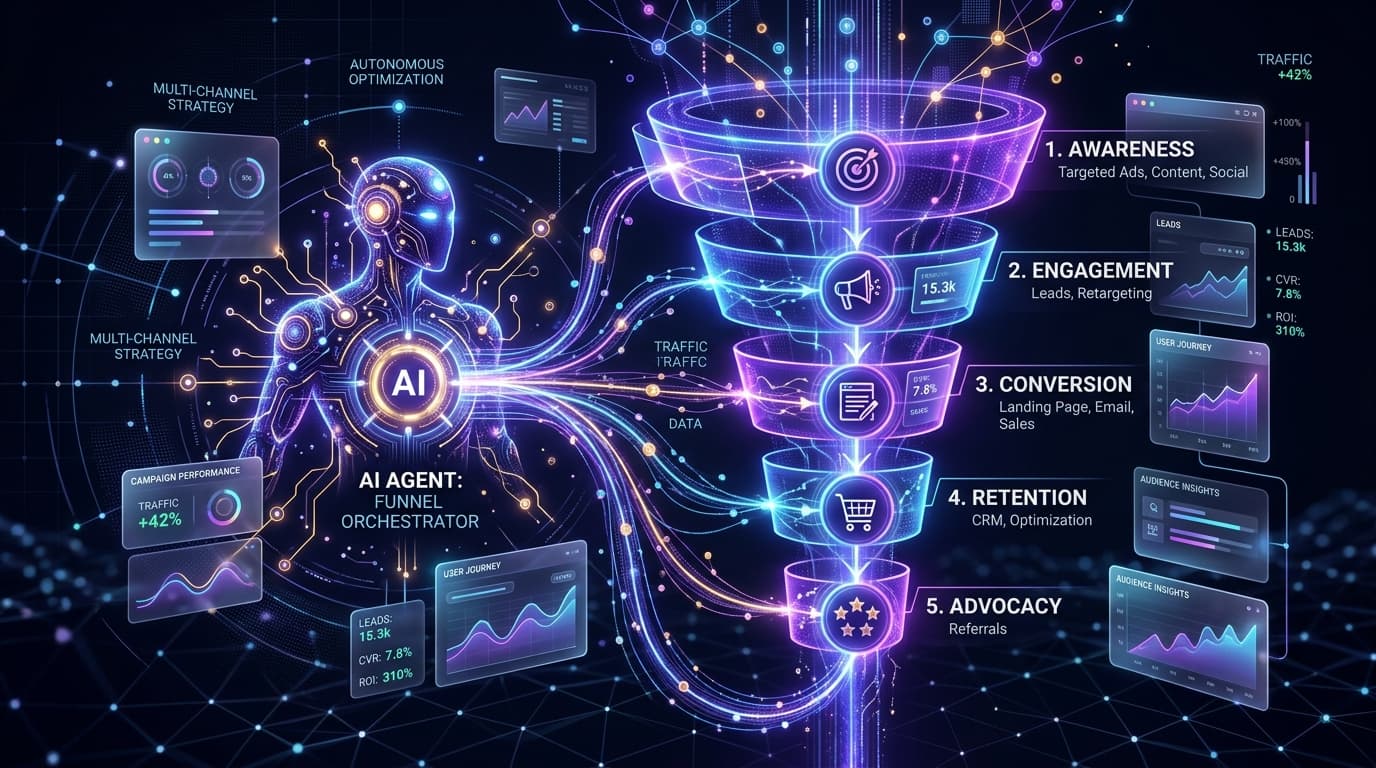
Orchestrating Activation with Autonomous AI Agents
Discover how autonomous AI agents replace rigid marketing flows by continuously experimenting to find the fastest path to your user's trial activation.
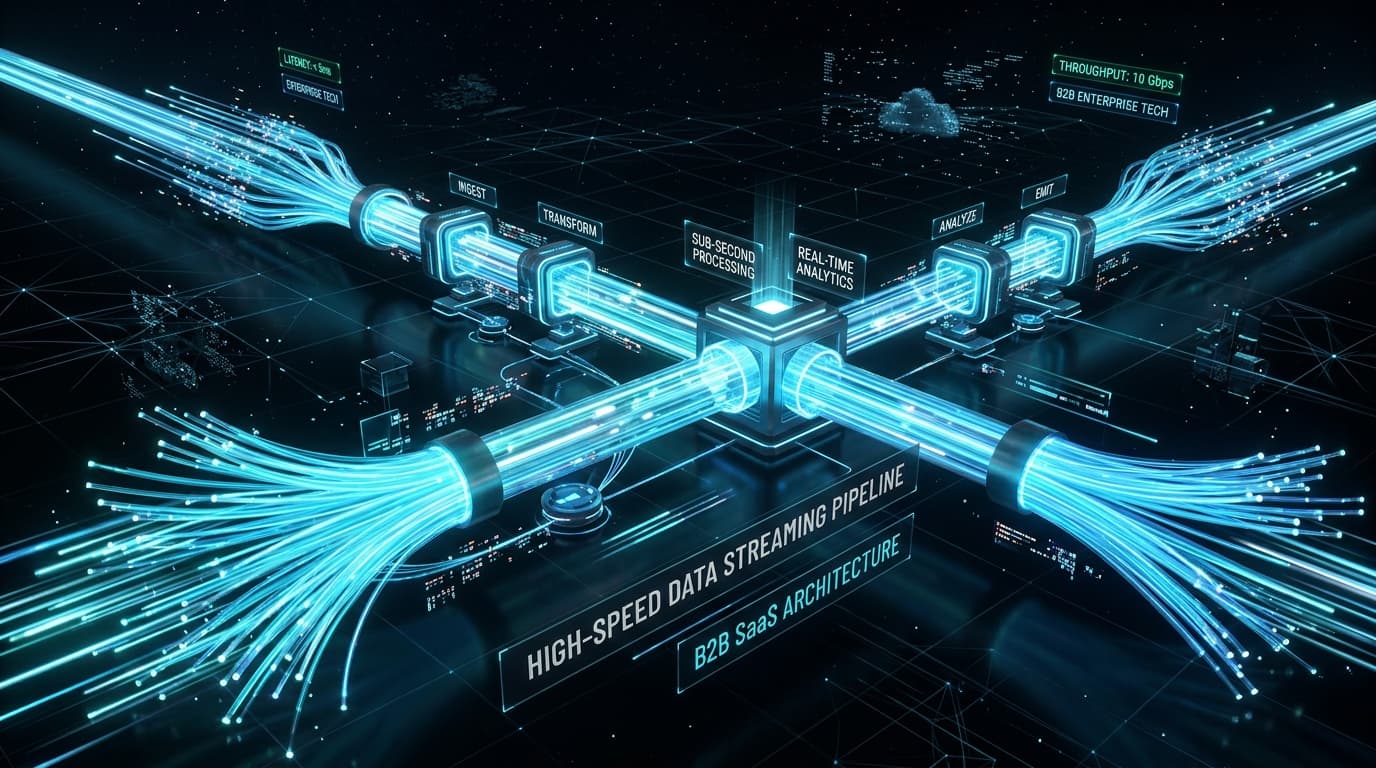
Streaming Infrastructure for PLG Conversion Engines
Learn why real-time streaming architectures are essential for triggering sub-second interventions and maximizing trial conversions in B2B SaaS platforms.
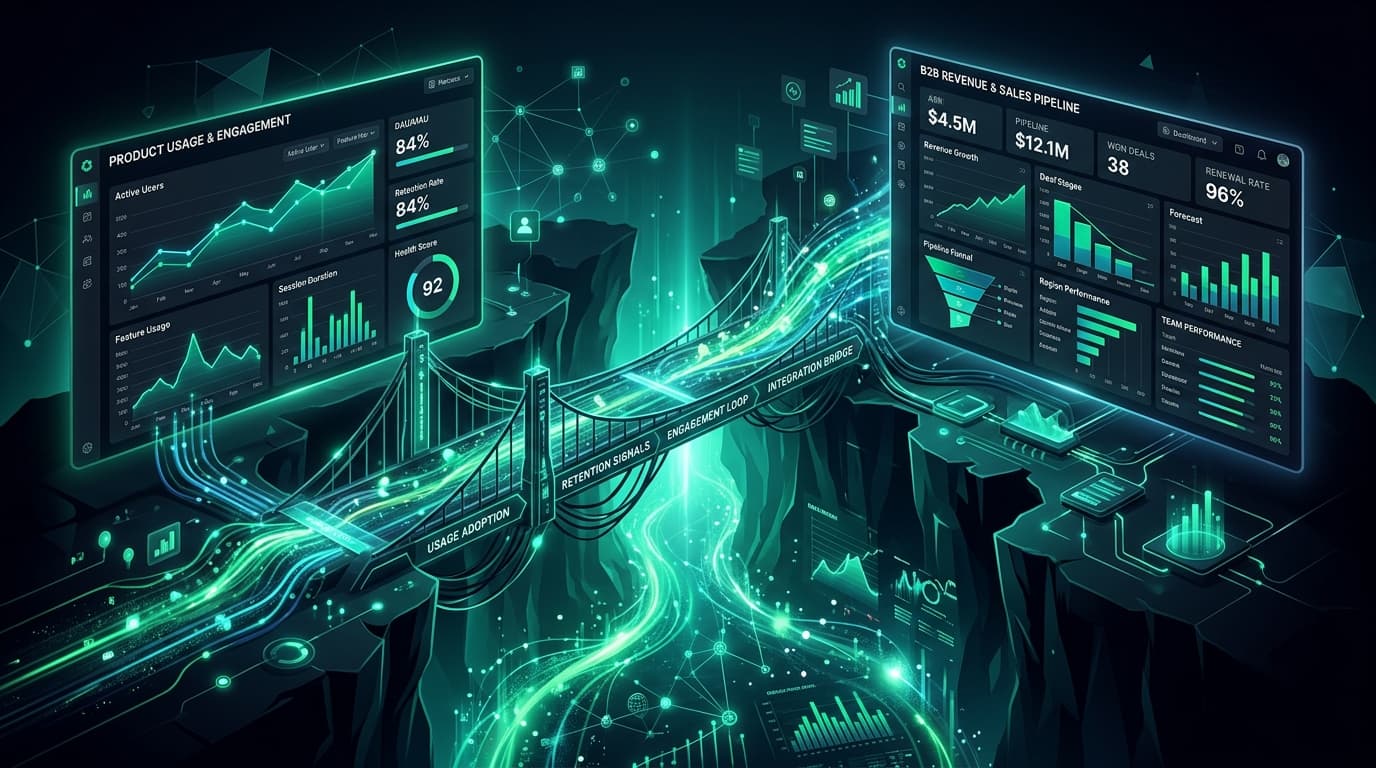
Bridging the AI Sales Intent Chasm in B2B SaaS
Bridge the gap between product usage signals and sales outreach by orchestrating AI-driven contextual handoffs that convert free trials to enterprise.