
The Death of Static Segments: Moving to Behavioral State Graphs
Static segments are snapshots of the past. Discover how behavioral state graphs enable real-time, fluid user orchestration that scales for AI-powered SaaS.
The Segment Ceiling
For a decade, the "Segment" has been the atomic unit of growth marketing. You define a group of users based on a shared set of attributes—Signed up in last 30 days, Used Feature X, Company size > 50—and you blast them with a campaign.
It was a step up from mass mailing, certainly. But in the era of AI-native SaaS, static segments have become a bottleneck.
Segments are snapshots. They capture who a user was at the moment the query ran. But users don't live in snapshots; they live in streams. By the time your segment refreshes and your campaign fires, the user’s intent has already shifted, decayed, or evolved into a completely different state.
A segment tells you what a user did. A state graph tells you who they are becoming.
The Problem with Discrete Buckets
When you use segments, you force fluid human behavior into rigid buckets. This creates three fundamental problems:
- 1The Refresh Lag: Most segments are computed in batches. Even "real-time" segments often have a processing delay. In high-velocity SaaS, a 15-minute lag is the difference between a conversion and a bounce.
- 2Binary Logic: Segments are usually Boolean—you are either in or out. There is no nuance for proximity to a state change. A user who is 90% of the way to an "Aha! Moment" is treated the same as someone who just started.
- 3Context Fragmentation: Because segments are often siloed by channel (Email segments vs. In-app segments), the user experiences a fragmented journey. They get an "Upgrade Now" email while they are currently struggling with a bug in-app.
Enter the Behavioral State Graph
A Behavioral State Graph replaces discrete buckets with a continuous, multidimensional map of the user journey.
In SynapseFlowAI, every user is a dynamic node in a living graph. Their "State" is not a label; it’s a vector. It’s a composite of every interaction, every delay, every success, and every friction point they’ve encountered.
Instead of asking "Is this user in the 'Power User' segment?", the system asks: "What is the shortest path from their current state to the 'Expansion' state?"
The Core Components of State-Based Orchestration
Moving from segments to state graphs requires three architectural shifts:
1. Continuous State Scoring Stop calculating segments. Start calculating scores. Every event—a click, a login, a 5-second hover on a pricing toggle—updates the user's state vector in real-time. This creates a "Heat Map" of intent that AI agents can read and act upon instantly.
2. Fluid Transitions, Not Fixed Triggers In a segment-based world, you trigger an action when a user enters a segment. In a state-based world, you orchestrate based on the Rate of Change. A user whose intent score is climbing rapidly needs a different intervention than a user whose score is high but plateauing.
3. The Unified Behavioral Schema For a state graph to work, it must ingest data from everywhere. Your Data Orchestration Hub must unify product telemetry, CRM notes, support tickets, and even Slack mentions into a single behavioral schema. Only then can the AI see the "Full Synapse."
From Campaigns to Orchestrations
The ultimate goal of the Behavioral State Graph is to move from "Running Campaigns" to "Orchestrating Outcomes."
When you understand the state graph, you don't "send an email." You inject an intervention into the user's current trajectory to nudge them toward a higher-value state.
If the Real-Time Execution Engine identifies that a user is stuck in the "Integration Friction" state, it doesn't wait for a weekly report. It triggers a multi-agent workflow:
- Agent A generates a personalized Loom video showing how to fix the specific error.
- Agent B notifies the assigned Account Executive to offer a 1:1 technical deep-dive.
- Agent C adjusts the in-app UI to highlight the documentation for that specific integration.
The Future is Fluid
The companies that win in the next five years will be the ones that stop treating their users like rows in a database and start treating them like nodes in a graph.
The segment is dead. Long live the state.
The most powerful growth engine is not the one with the most data; it’s the one with the highest state-awareness.
Ready to boost your trial conversion?
Join our waitlist and be among the first to experience Synapse Flow AI.
Join our DiscordMore from the blog
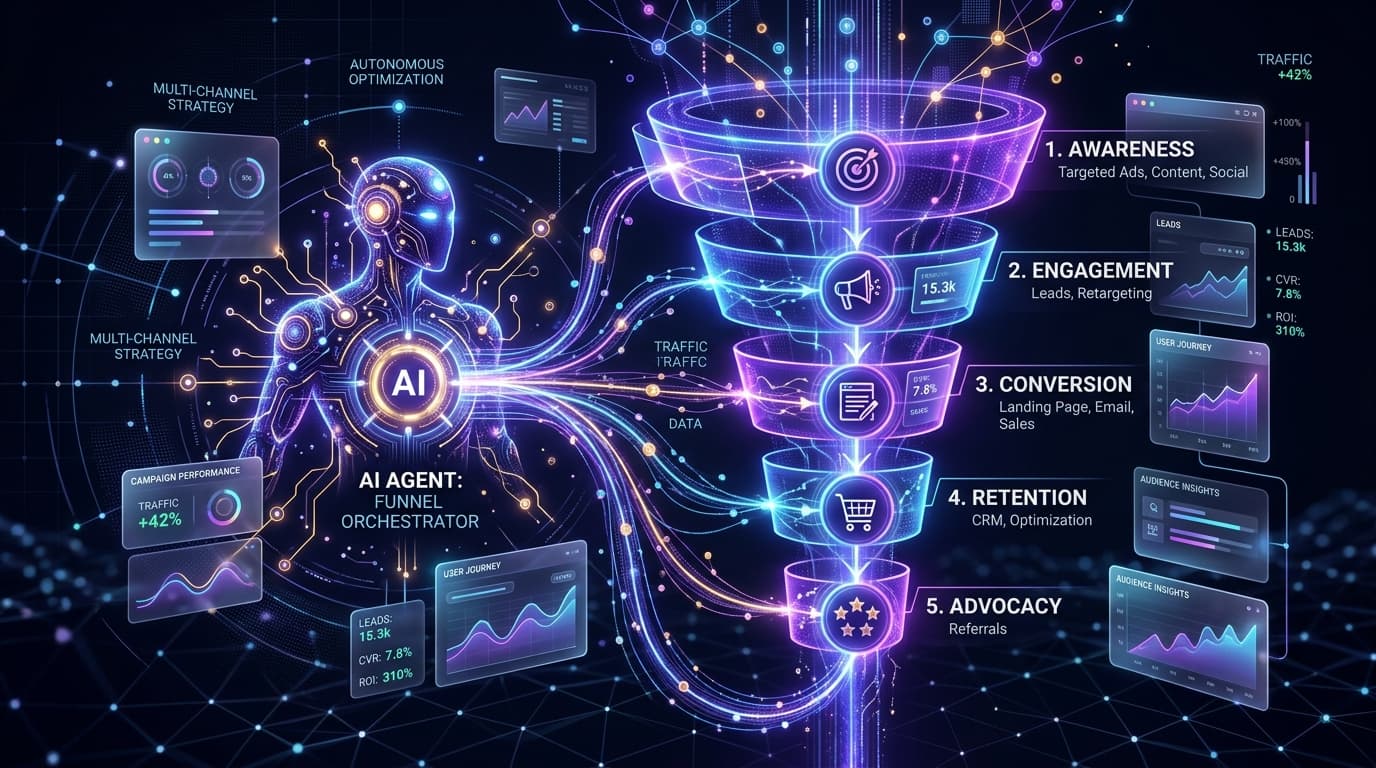
Orchestrating Activation with Autonomous AI Agents
Discover how autonomous AI agents replace rigid marketing flows by continuously experimenting to find the fastest path to your user's trial activation.
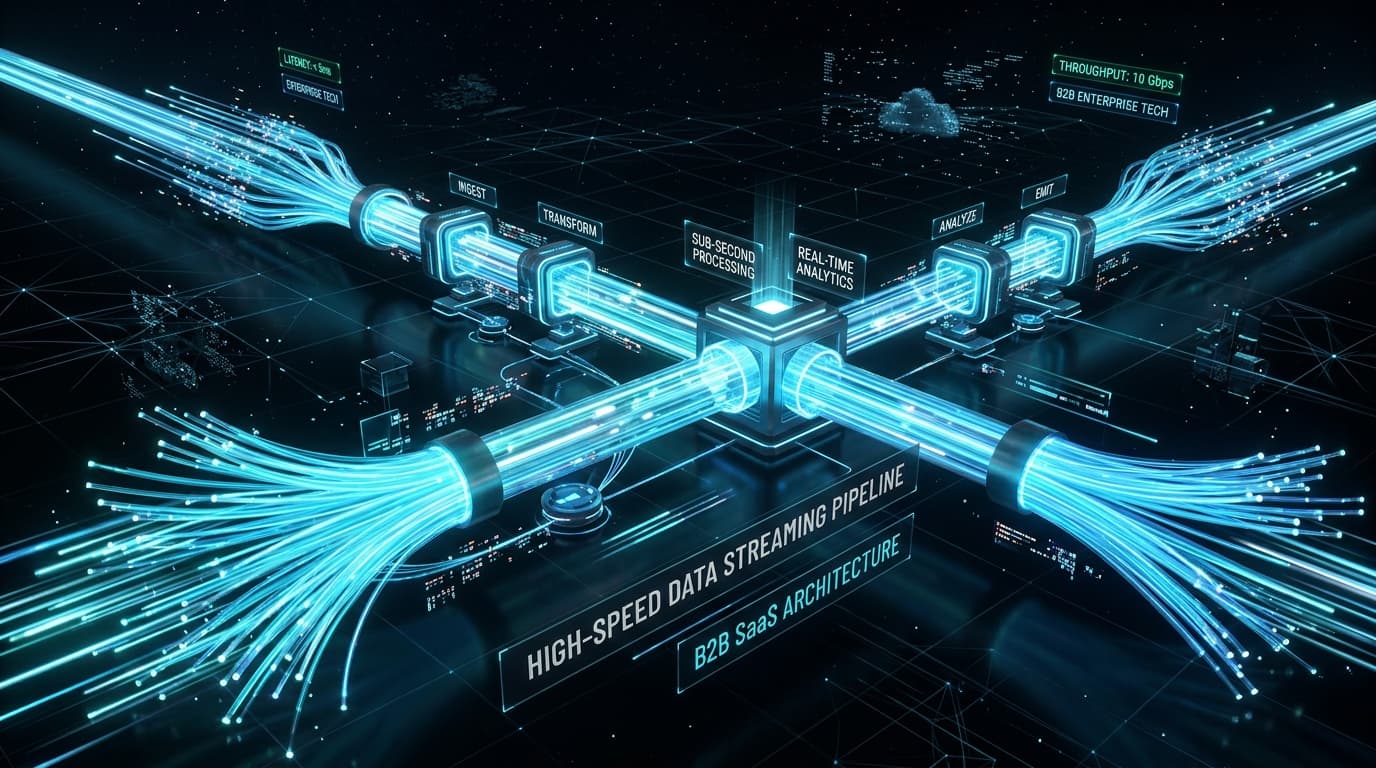
Streaming Infrastructure for PLG Conversion Engines
Learn why real-time streaming architectures are essential for triggering sub-second interventions and maximizing trial conversions in B2B SaaS platforms.
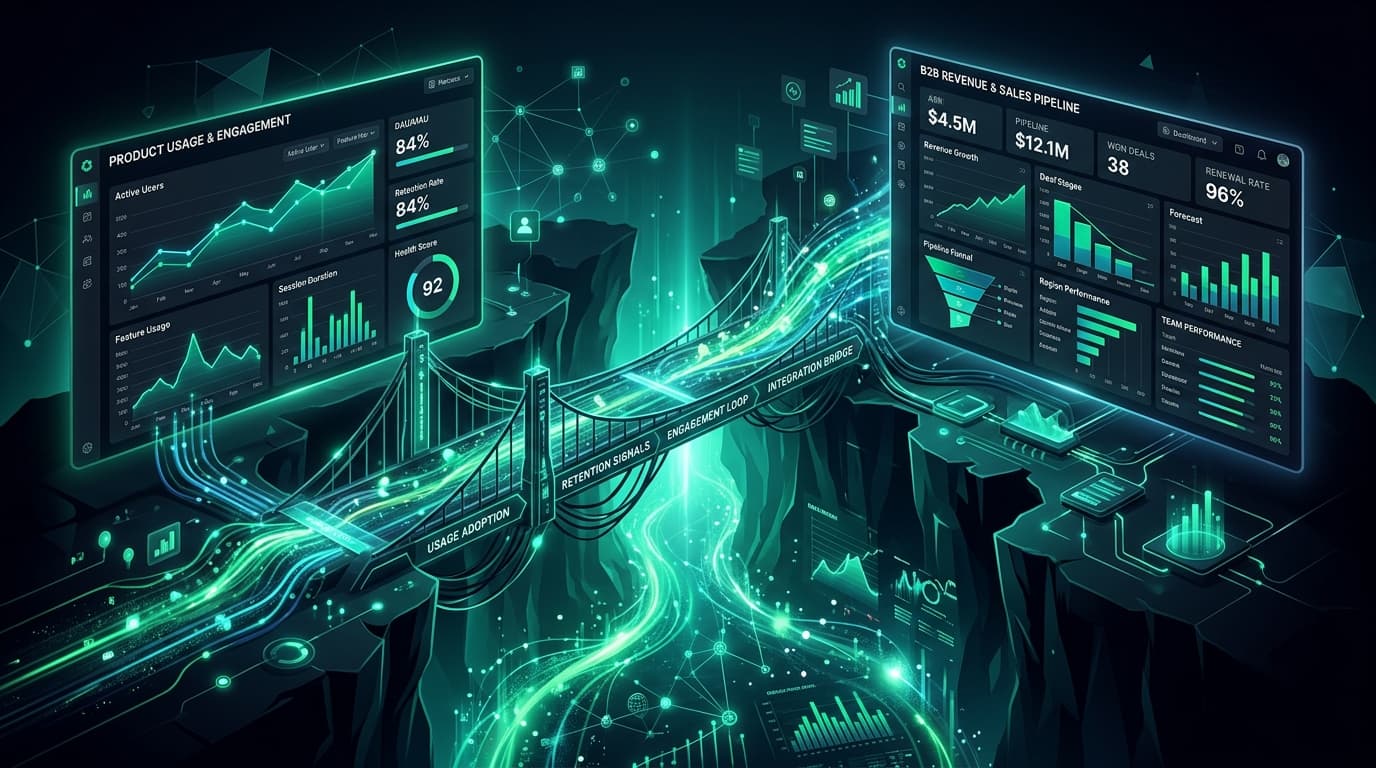
Bridging the AI Sales Intent Chasm in B2B SaaS
Bridge the gap between product usage signals and sales outreach by orchestrating AI-driven contextual handoffs that convert free trials to enterprise.