
Beyond Chatbots: Why Enterprise AI Needs an Infinite Canvas
Chat can generate ideas but cannot verify complex logic. See why enterprise orchestration needs a bidirectional AI and infinite-canvas loop.
The Limitations of the Chatbox
We are living in the golden age of the chat interface. Since the explosion of conversational AI, every enterprise SaaS product has rushed to bolt a chatbot onto its dashboard. You type a prompt, it generates an output. It feels like magic.
But when you try to build enterprise-grade logic using only a chat interface, the magic quickly breaks down.
Chat is inherently linear, ephemeral, and opaque.
- If you ask an AI to "generate an onboarding workflow with conditional routing and fail-safes," it will write a beautiful, articulate explanation of what it plans to do.
- But how do you verify the logic? How do you ensure the "if/else" condition on day 3 doesn't inadvertently send your highest-value prospects into an endless loop?
Reading a text dump of conditional logic is a cognitive nightmare. Chat is fantastic for creation, but it is catastrophically bad for verification and spatial reasoning.
A chatbox is a command line for natural language. It is powerful, but you wouldn't use it to design a blueprint.
The Problem With Visual-Only Builders
Before AI, the industry solved the spatial reasoning problem with visual node-based editors: the "Infinite Canvas." Tools like Zapier, Make, and Customer.io taught us that visual orchestration is the only way humans can truly comprehend complex data flows.
But traditional visual builders have their own fatal flaw: the "Blank Canvas Paralysis."
Starting a complex workflow from scratch on a blank canvas takes hours, sometimes days. You have to manually drag nodes, map data payloads, connect routing edges, and ensure you didn't accidentally drop a connection. It requires deep platform expertise. The time-to-value is painfully slow.
The Core Innovation: The Bidirectional Loop
The solution isn't to choose between the chat interface and the visual canvas. The solution is to fuse them into a Bidirectional Loop.
This is the architectural leap that SynapseFlowAI has introduced.
SynapseFlowAI follows an AI-first, canvas-second interaction model. Here is how it works in practice:
- 1Conversational Creation (The AI Assistant): You talk to the AI as if it were a senior growth engineer. "Create an onboarding nurture sequence for users who view pricing but don’t subscribe within 48 hours."
- 2Instant Spatial Translation: Instead of replying with a wall of text, the AI instantly generates a complete, mathematically verified workflow—triggers, logic nodes, Context-Aware RAG lookups, and email actions—and renders it dynamically onto an Infinite Canvas.
- 3Visual Verification: Now, you don't have to read code or decipher text. You look at the deterministic auto-layout (powered by elk.js) and instantly understand the routing.
- 4The Loop: If you want to make a change, you don't have to start over. You can drag-and-drop a node on the canvas, or simply tell the AI: "Make the second email sound warmer." If you change the canvas, the AI understands the new state. If you tell the AI a change, the canvas updates in real-time.
Why Determinism Matters in Enterprise Orchestration
There is a reason enterprise companies hesitate to trust AI with customer-facing orchestrations: hallucination. If an AI "hallucinates" a routing condition, the result is broken customer experiences and lost revenue.
The Bidirectional Loop mitigates this risk fundamentally.
The AI is not blindly executing code in the background. It is generating structured logic nodes on the canvas. The canvas acts as the objective source of truth. It enforces deterministic rules—a node cannot execute if its required inputs aren't mapped. The visual layer serves as a mandatory human-in-the-loop verification step that takes seconds, not hours.
The AI acts as the architect. The Canvas acts as the structural engineer. You are the building inspector.
Redefining Time-To-Value
The combination of conversational creation and visual verification collapses the time-to-value of complex growth automation from weeks to minutes.
Our Core User Journey, validated across beta users, has reduced manual sequence setup time by over 70%. Moving from a blank slate to a fully-deployed, intelligent orchestration now takes under five minutes—without sacrificing the granular control that growth engineers demand.
The future of SaaS orchestration will not be confined to a chatbox, nor will it start on a blank canvas. The future is a conversation that builds a world you can see, touch, and deploy.
Ready to boost your trial conversion?
Join our waitlist and be among the first to experience Synapse Flow AI.
Join our DiscordMore from the blog
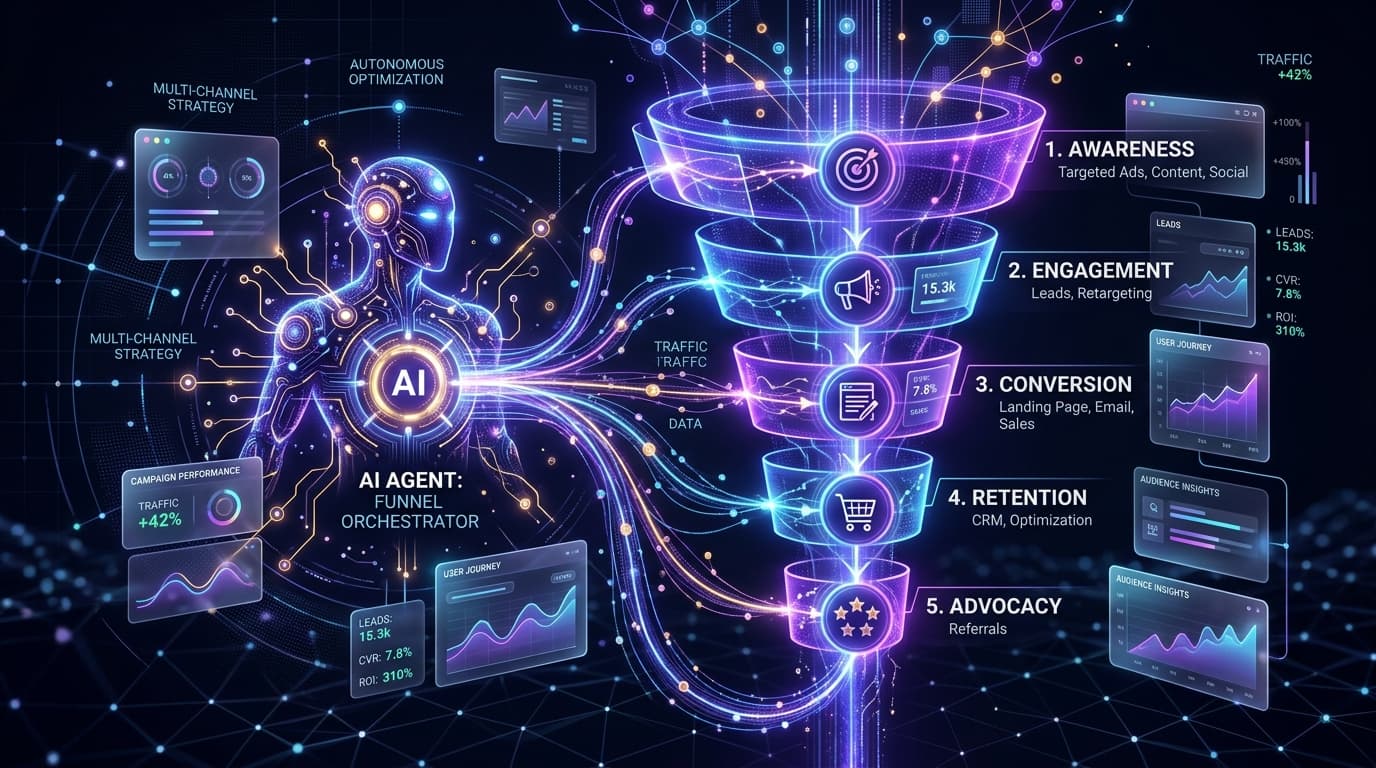
Orchestrating Activation with Autonomous AI Agents
Discover how autonomous AI agents replace rigid marketing flows by continuously experimenting to find the fastest path to your user's trial activation.
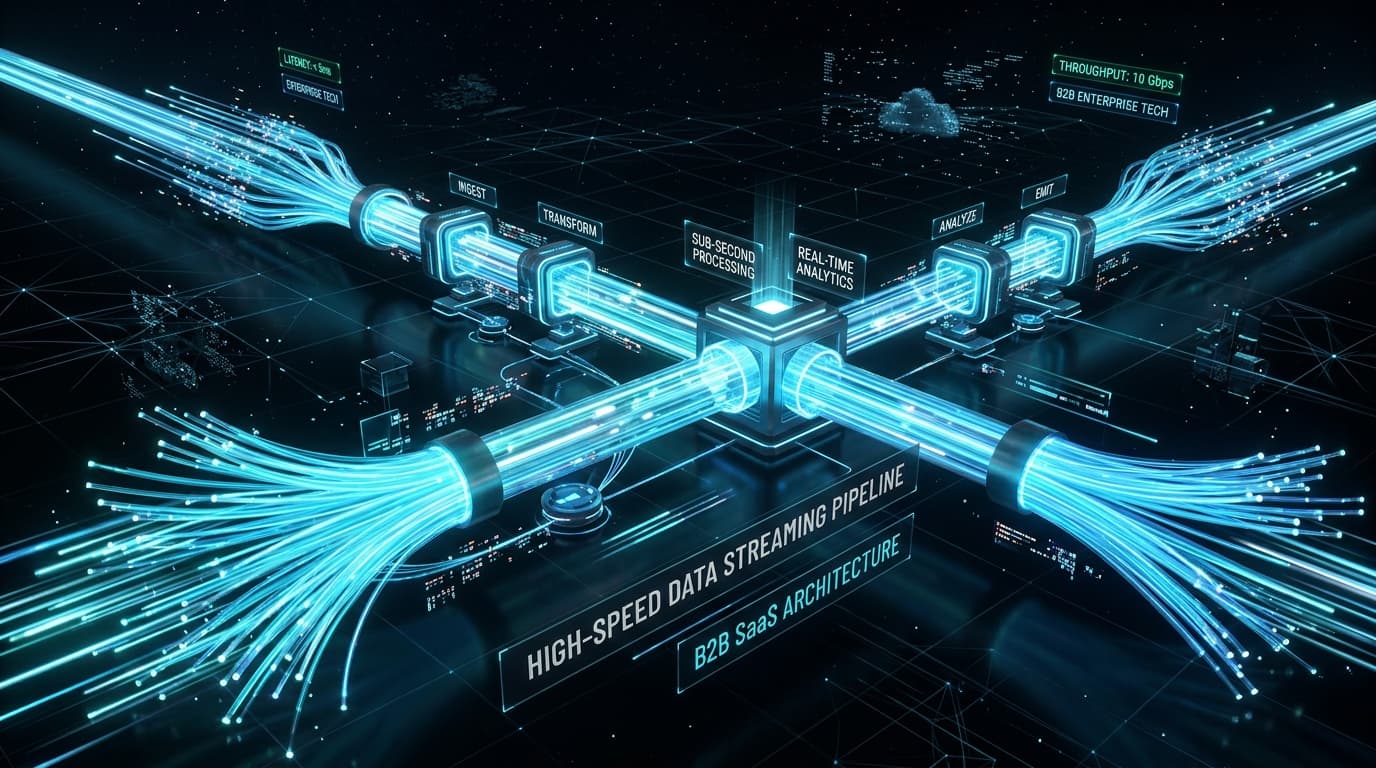
Streaming Infrastructure for PLG Conversion Engines
Learn why real-time streaming architectures are essential for triggering sub-second interventions and maximizing trial conversions in B2B SaaS platforms.
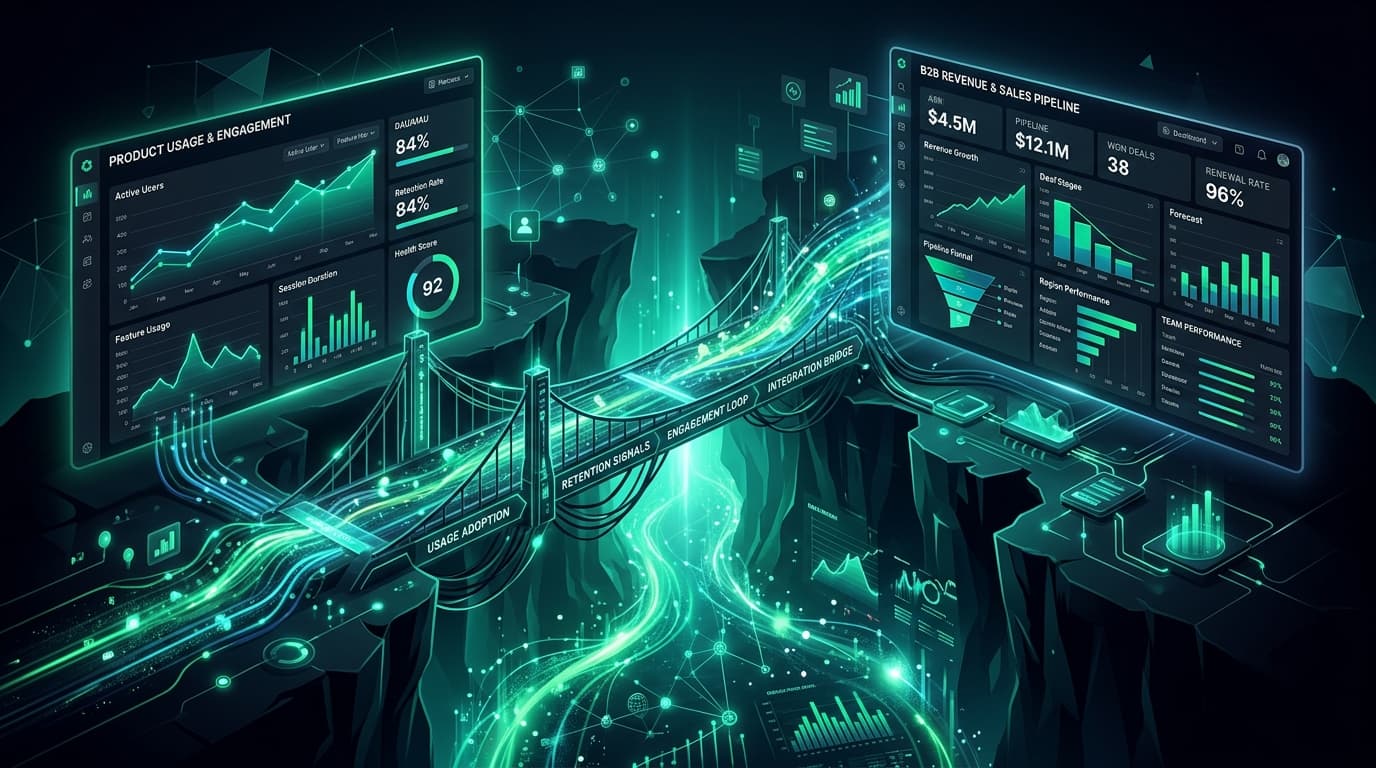
Bridging the AI Sales Intent Chasm in B2B SaaS
Bridge the gap between product usage signals and sales outreach by orchestrating AI-driven contextual handoffs that convert free trials to enterprise.