
The Trial Clock: Engineering Urgency Without Destroying Trust
Countdown hacks erode trust. Learn how AI-native urgency reads real behavioral readiness and triggers conversion at the right moment.
The Urgency Illusion
Every SaaS growth playbook contains the same chapter: Create urgency. Put a countdown timer on the pricing page. Send a "Your trial expires in 3 days" email. Add a banner. Add another banner. Turn the banner red.
And it works—in the short term. Users respond to artificial pressure. Conversion rates tick up. The playbook gets reinforced.
But here is what the playbook conveniently omits: users remember how you made them feel.
The ones who converted because a red banner stressed them out are also the ones who feel buyer's remorse on day 32. The ones who cancel at the first billing cycle. The ones who leave a two-star review that says "felt pressured into buying."
Manufactured urgency converts users. Authentic urgency converts customers.
The difference is not cosmetic. It is the difference between a transactional relationship and a loyal one.
Why the Calendar Is the Wrong Clock
The conventional trial urgency model is built around a single input: elapsed calendar time.
- Day 10 of 14: Send "Running out of time" email.
- Day 13: Send "Last chance" email.
- Day 14: Account locked. Upsell banner displayed.
This model treats every trial user as identical. It assumes that the relevant "clock" for a conversion decision is the number of days since signup—not the user's actual relationship with the product.
Consider two users on day 10:
- User A has logged in twice, skipped the onboarding checklist, and has never connected a data source. They are not close to converting. The "Running out of time" email will either panic them into a purchase they will regret, or push them into cancellation.
- User B has logged in 11 times across 6 days, activated 4 of 5 core features, invited two teammates, and visited the pricing page three times in the last 48 hours. They are ready. They have been ready since day 7. The system just has not noticed.
For User A, the calendar-based email is premature pressure. For User B, it is three days too late.
The Behavioral Clock
An AI-native urgency system does not watch the calendar. It watches the user.
At its core, a behavioral clock tracks a composite of signals that, together, indicate where a user sits on the conversion readiness spectrum:
Activation Velocity — How fast is the user consuming the product? A user who has adopted 4 features in 6 days is on a steeper trajectory than one who has adopted 2 features in 10 days. Velocity, not position, predicts momentum.
Pricing Page Affinity — How many times has the user visited the pricing page? In what sequence? A user who visits pricing immediately after viewing the enterprise feature set is expressing a very different intent than a user who lands on pricing from a Google ad.
Collaboration Signals — In B2B SaaS, the single most powerful conversion predictor is team adoption. When a champion invites teammates, they have internally socialized the product. They have created organizational buy-in. The decision is already made; it just has not been formalized.
Friction Density — How many errors, dead ends, or repeated actions has the user encountered? High friction density means the user is not ready—they are stuck. Urgency messaging delivered to a stuck user is cruelty, not conversion.
Return Frequency — A user who logs in every day, even briefly, is forming a habit. A user who has not returned in 72 hours has lost the thread. These two users need completely different interventions—and the same "trial expiry" email will fail both of them.
The Three Urgency Failure Modes
When calendar-based urgency systems misfire, they cluster into three predictable failure modes:
1. Premature Urgency (The Panic Attack)
Pressuring a user who has not yet experienced value is the most common mistake. The user has not seen their Aha! Moment. They do not know if the product is right for them. Urgency at this stage does not accelerate a decision—it forces a bad one.
The result: a conversion that lasts one billing cycle, followed by a churn that poisons your NPS and your word-of-mouth.
2. Late Urgency (The Cold Lead)
A trial user who was ready to convert on day 8 and received their first urgency signal on day 12 has already made a mental decision—they just have not been asked yet. Every day that passes without a relevant signal is a day they could be talking to a competitor.
The system that fires at the right moment—when behavioral readiness peaks—wins the conversion. The system that waits for the calendar fires into a cooling window.
3. Indiscriminate Urgency (The Trust Destroyer)
Sending the same urgency message to every user in the same cohort is the mass-blast approach. When User A and User B receive the same "3 days left" email with identical copy and identical CTAs, the message is not personalized—it is a template with a first name bolted on.
Sophisticated buyers recognize this immediately. And in B2B SaaS, your buyers are always sophisticated.
Architecting Authentic Urgency
Authentic urgency is not manufactured. It is recognized. The AI does not create pressure—it identifies the moment when the user's own internal readiness has peaked, and then delivers the right message to surface that readiness into a decision.
This requires three architectural components:
Component 1: The Readiness Score
A continuously updated composite score—not a static lead score computed once on signup—that reflects the user's current conversion probability. This score draws on activation depth, collaboration signals, pricing page behavior, and sentiment indicators. It is recalculated on every significant event.
When the readiness score crosses a defined threshold, the urgency system arms itself. It does not fire yet—it waits for the optimal trigger window.
Component 2: The Trigger Window
The trigger window is the specific moment when a high-readiness user takes an action that indicates they are actively evaluating the decision. Pricing page visits, feature comparison clicks, seat count adjustments, billing page navigation—these are not passive behaviors. They are high-intent signals that indicate the user is in active deliberation mode.
When a high-readiness user enters a trigger window, the urgency system fires. Not because the calendar says "Day 12." Because the user's behavior says "now."
Component 3: The Contextual Message
The message delivered in a trigger window must reflect the user's specific context. This is where the Cortex Engine replaces the template.
For the B2B champion who has invited teammates and is reviewing the enterprise tier: "Your team is already building with [Product]. Upgrading today locks in your current rate and unlocks SSO and advanced admin controls for your team of 8."
For the solo developer who has activated 4 features and just hit a usage cap: "You have hit the trial limit for API calls. Upgrading takes 90 seconds and your current pipeline will not be interrupted."
Same urgency trigger. Completely different messages. Both authentic. Neither manufactured.
The Discount Timing Problem
Discounts are the most misused urgency lever in SaaS.
Calendar-based systems deploy discounts as a last resort—the "We are panicking, please stay" email on day 13. This trains high-value users to wait for the discount before converting, eroding both revenue and trust.
An AI-native urgency system treats discounts as precision instruments, not desperation signals:
- High readiness, high firmographic value: No discount needed. Urgency is purely behavioral and contextual. Offering a discount here leaves margin on the table.
- High readiness, price-sensitive signals (repeated pricing page visits, plan downgrades considered): A targeted, time-limited offer calibrated to the specific plan the user is evaluating. Not "30% off." "We can waive the setup fee for your annual plan if you activate this week."
- Moderate readiness, at-risk of going dark: A concierge intervention—not a discount, but a human-touch offer. "Can we set up a 15-minute call to walk through the data integration you were working on?"
The system never reaches for the discount until it has exhausted every option that preserves full pricing integrity.
What Authentic Urgency Looks Like
When urgency is engineered from behavioral truth rather than calendar pressure, the outcomes are measurably different:
- Higher conversion rates — Because the message hits at peak readiness, not at a predetermined date.
- Better activation post-conversion — Because the user who converts when genuinely ready is converting because they understand the value. They are not surprised by what they bought.
- Lower early churn — Because the conversion was not panic-induced. The user had already mentally committed before the message arrived.
- Better NPS — Because users remember feeling understood, not pressured.
The best urgency message is the one that makes the user think you read their mind, not the one that makes them afraid of missing a deadline.
The Synapse Flow Approach
Synapse Flow AI's trial conversion engine is built around behavioral readiness, not calendar mechanics.
The Aha! Detection engine continuously identifies where each user sits on the activation-to-conversion curve. The Visual Synapse Graph tracks every signal—pricing visits, team invites, feature depth, error patterns—and surfaces the exact moment when urgency becomes authentic rather than artificial.
The result is a system that does not ask "Is it day 12?" It asks "Is this user ready?" And when the answer is yes, it delivers a message that feels less like a sales tactic and more like the system finally noticing what the user already knew.
The trial clock is not on your wall. It is in your user's behavior. The only growth systems that will win are the ones that can read it.
Ready to boost your trial conversion?
Join our waitlist and be among the first to experience Synapse Flow AI.
Join our DiscordMore from the blog
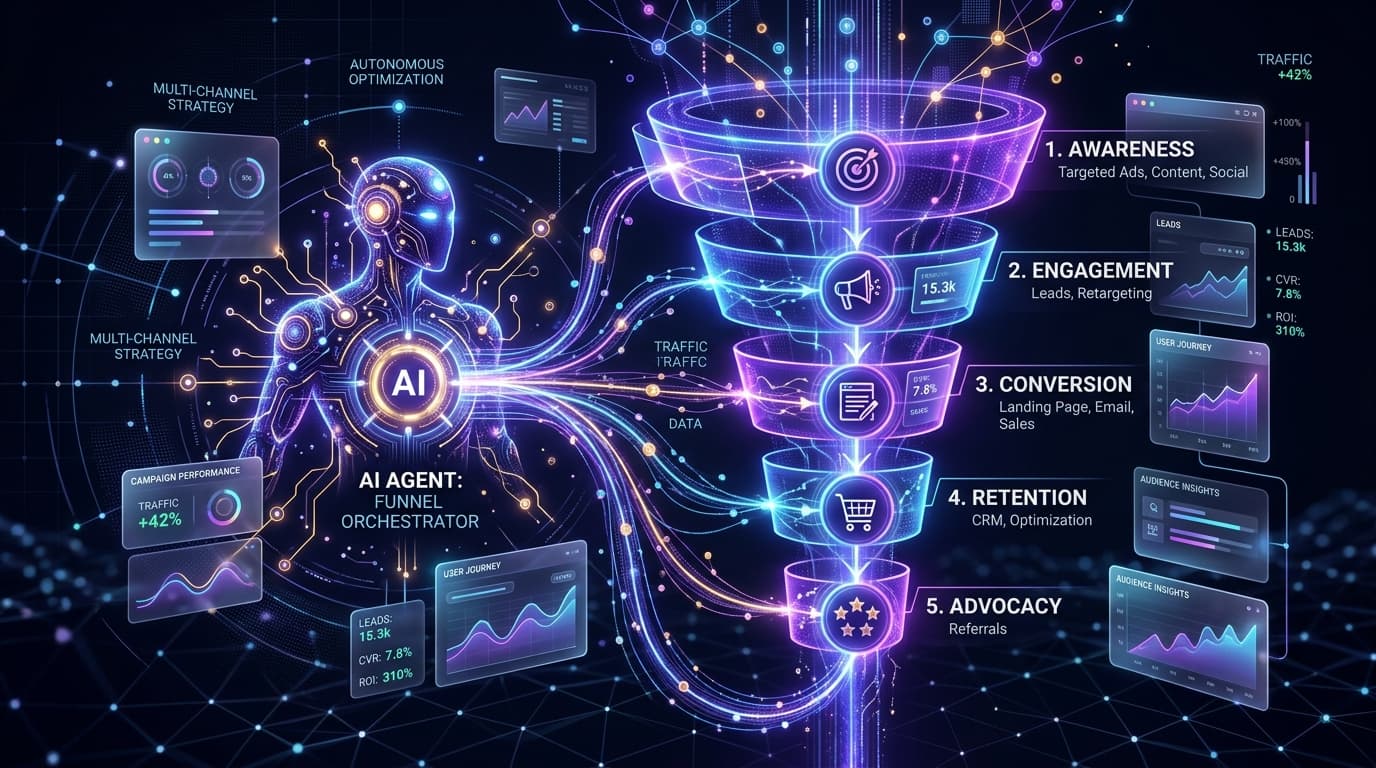
Orchestrating Activation with Autonomous AI Agents
Discover how autonomous AI agents replace rigid marketing flows by continuously experimenting to find the fastest path to your user's trial activation.
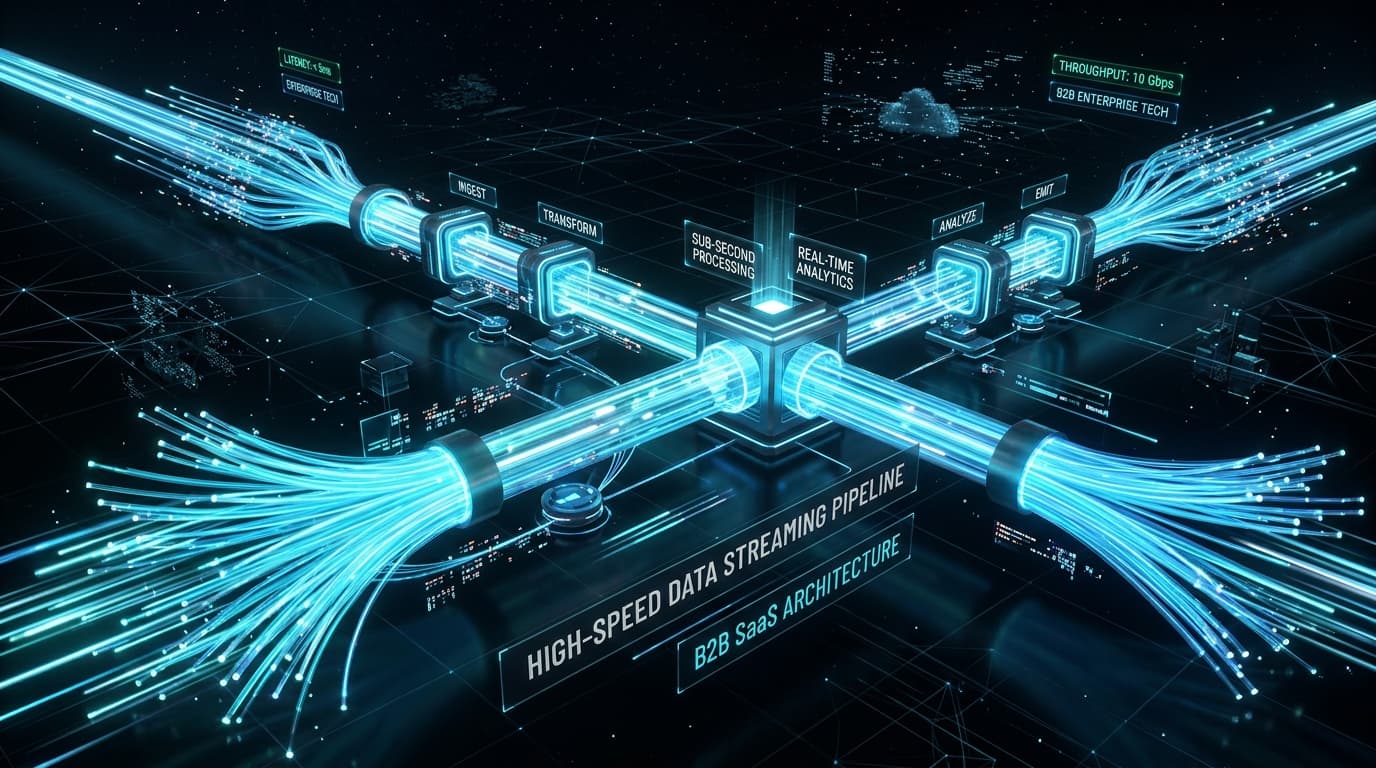
Streaming Infrastructure for PLG Conversion Engines
Learn why real-time streaming architectures are essential for triggering sub-second interventions and maximizing trial conversions in B2B SaaS platforms.
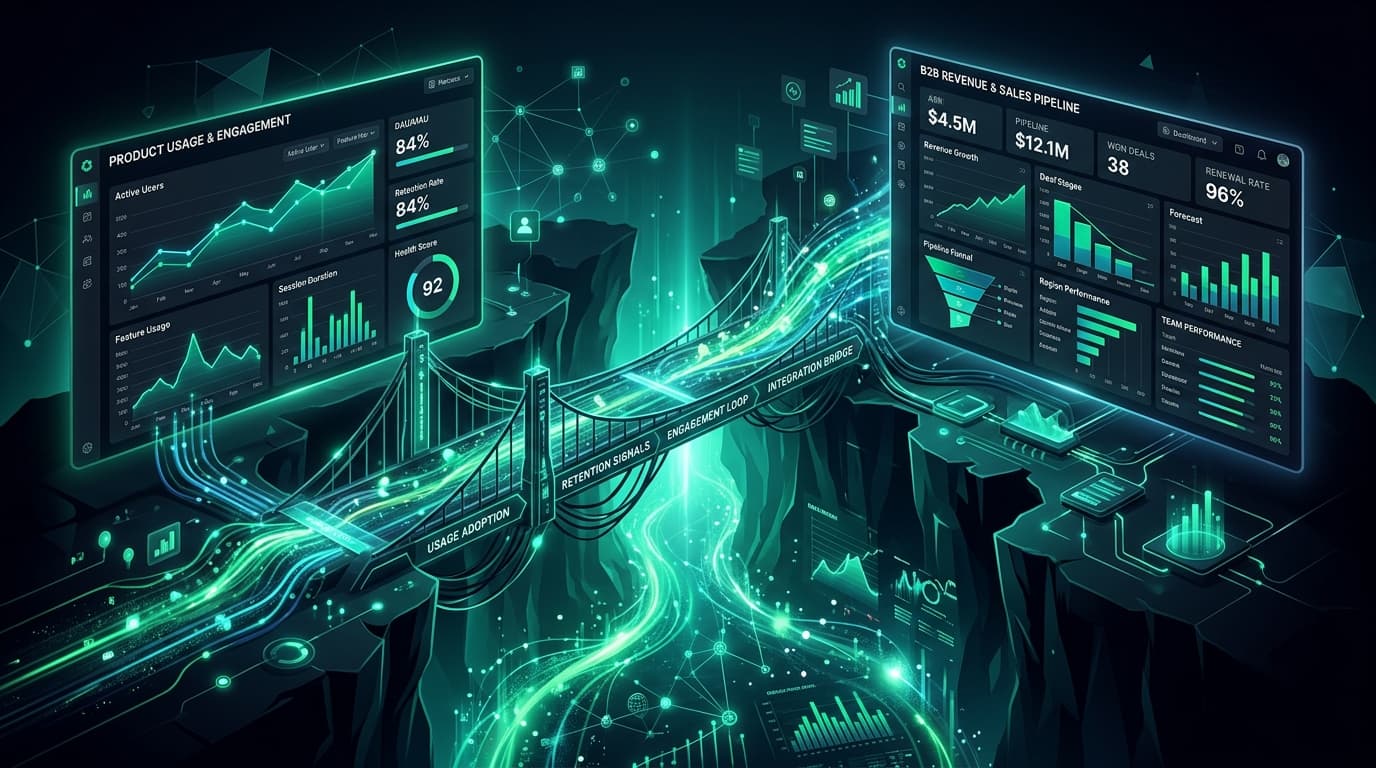
Bridging the AI Sales Intent Chasm in B2B SaaS
Bridge the gap between product usage signals and sales outreach by orchestrating AI-driven contextual handoffs that convert free trials to enterprise.