
Signal-to-System Fit: Why Most SaaS Growth Stalls After PMF
PMF gets traction. Signal-to-system fit determines whether growth compounds or stalls by how fast your platform senses intent and acts.
PMF Is the Beginning, Not the Moat
Most SaaS teams treat product-market fit as the finish line. The graph goes up, inbound picks up, activation improves, and everyone assumes scale is now a matter of "doing more of what works."
Then growth flattens.
What changed is not demand. What changed is system pressure.
At low volume, human judgment can paper over architectural gaps. A sales rep can manually follow up when a hot lead appears. A growth marketer can hand-curate segments. A PM can personally review onboarding friction each week.
At scale, those manual patches collapse. The behavioral signal volume grows faster than your team's ability to interpret and act on it.
Product-market fit proves users want your product. Signal-to-system fit proves your infrastructure can keep up with that demand.
What Signal-to-System Fit Means
Signal-to-system fit is the alignment between:
- Signal Velocity: how quickly meaningful user behavior appears
- Signal Fidelity: how accurately those behaviors are captured and interpreted
- System Responsiveness: how fast and contextually your platform can act
If any one of these lags, growth decouples from demand.
For example, a user may show clear expansion intent: invites teammates, reaches limits, revisits pricing. If your system still routes this through static weekly campaigns, the intent expires before intervention. You had the signal. You lacked system fit.
The Four Failure Patterns
Teams that plateau post-PMF usually exhibit one or more recurring failure patterns:
1) High Signal, Low Interpretation
You collect events but cannot distinguish noise from intent. Every click is tracked, but no weighted model ranks urgency.
Result: analysts drown in dashboards while the live window for conversion closes.
2) Good Interpretation, Slow Execution
You can identify meaningful moments, but execution still depends on batch jobs and manual approvals.
Result: your intelligence layer is modern, your action layer is legacy.
3) Fast Execution, Wrong Context
Your system responds quickly, but with generic messaging not tied to the exact behavioral pattern.
Result: users receive activity, not relevance.
4) Isolated Channels, Fragmented Outcomes
Email, in-app, and sales notifications run as separate systems with no shared state.
Result: teams over-communicate to low-intent users and under-communicate to high-intent users.
Diagnosing Your Fit Gap
You can measure signal-to-system fit using three practical metrics:
- Time-to-Intervention (TTI): median time between high-intent signal and first contextual response
- Context Match Rate (CMR): percentage of interventions that reference the exact behavior that triggered them
- Cross-Channel Cohesion (CCC): percentage of interventions coordinated across channels from one source-of-truth state
Strong systems tend to keep TTI in minutes, maintain high CMR, and orchestrate multi-channel responses from a single decision engine.
If your TTI is measured in hours, your CMR is mostly template-level, and channel actions are siloed, you are not facing a copy problem. You are facing an architecture problem.
The Architecture Shift
Closing the fit gap requires a structural shift:
- 1Real-time behavioral state graph: move from static segments to continuously updated user state.
- 2Decayed intent scoring: weight signals by recency so the system understands urgency, not just frequency.
- 3Event-native orchestration: trigger actions from behavior thresholds, not calendar milestones.
- 4Unified execution layer: coordinate email, in-app, and human alerts from one decision point.
This is exactly where adaptive trial graphs and real-time execution engines become mandatory infrastructure, not optional enhancements.
From Growth Team to Growth System
The winning SaaS companies over the next decade will not be the ones with the most campaigns. They will be the ones with the best signal metabolism: sensing intent quickly, interpreting it correctly, and acting before momentum decays.
When your system fits your signal volume, growth stops feeling fragile. You no longer rely on heroic manual interventions to rescue opportunities. The engine itself becomes compounding.
PMF gets you into the game. Signal-to-system fit is how you win it.
Ready to boost your trial conversion?
Join our waitlist and be among the first to experience Synapse Flow AI.
Join our DiscordMore from the blog
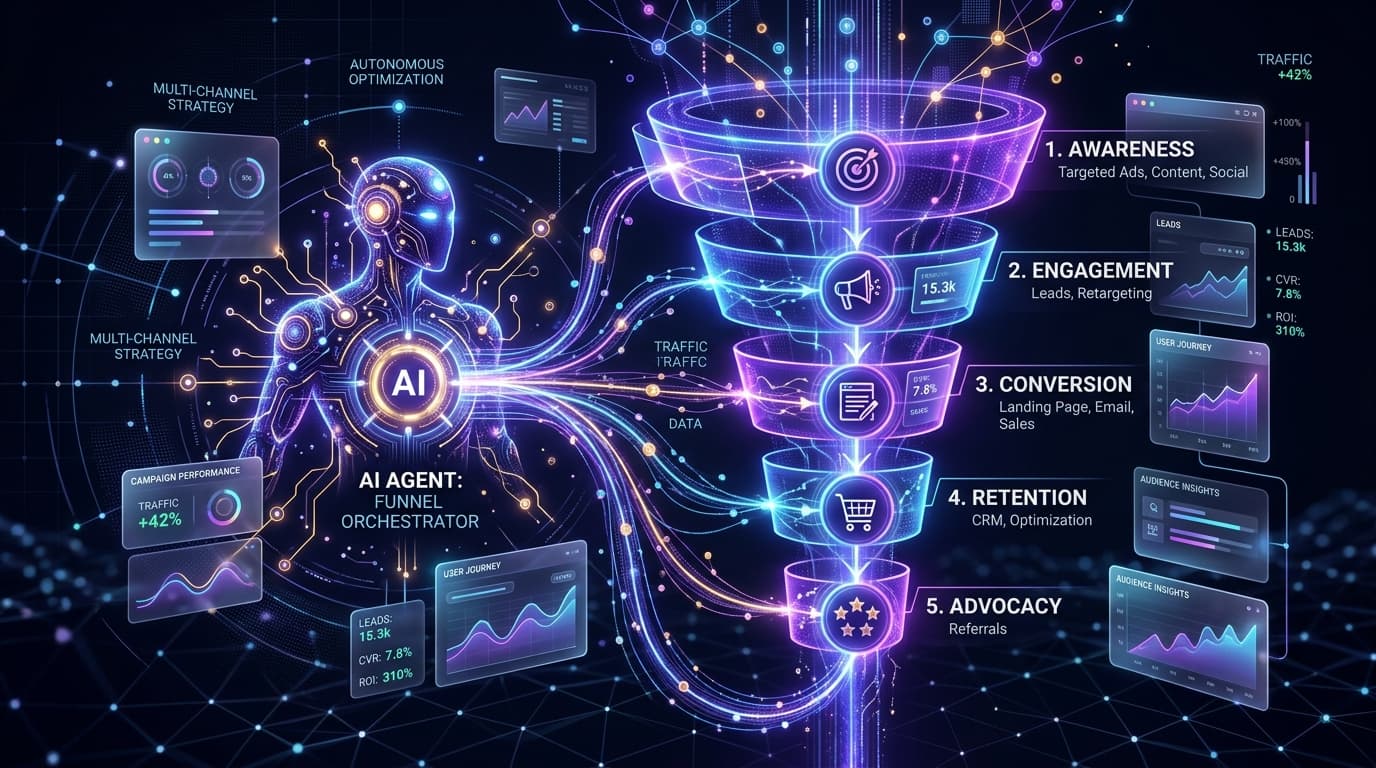
Orchestrating Activation with Autonomous AI Agents
Discover how autonomous AI agents replace rigid marketing flows by continuously experimenting to find the fastest path to your user's trial activation.
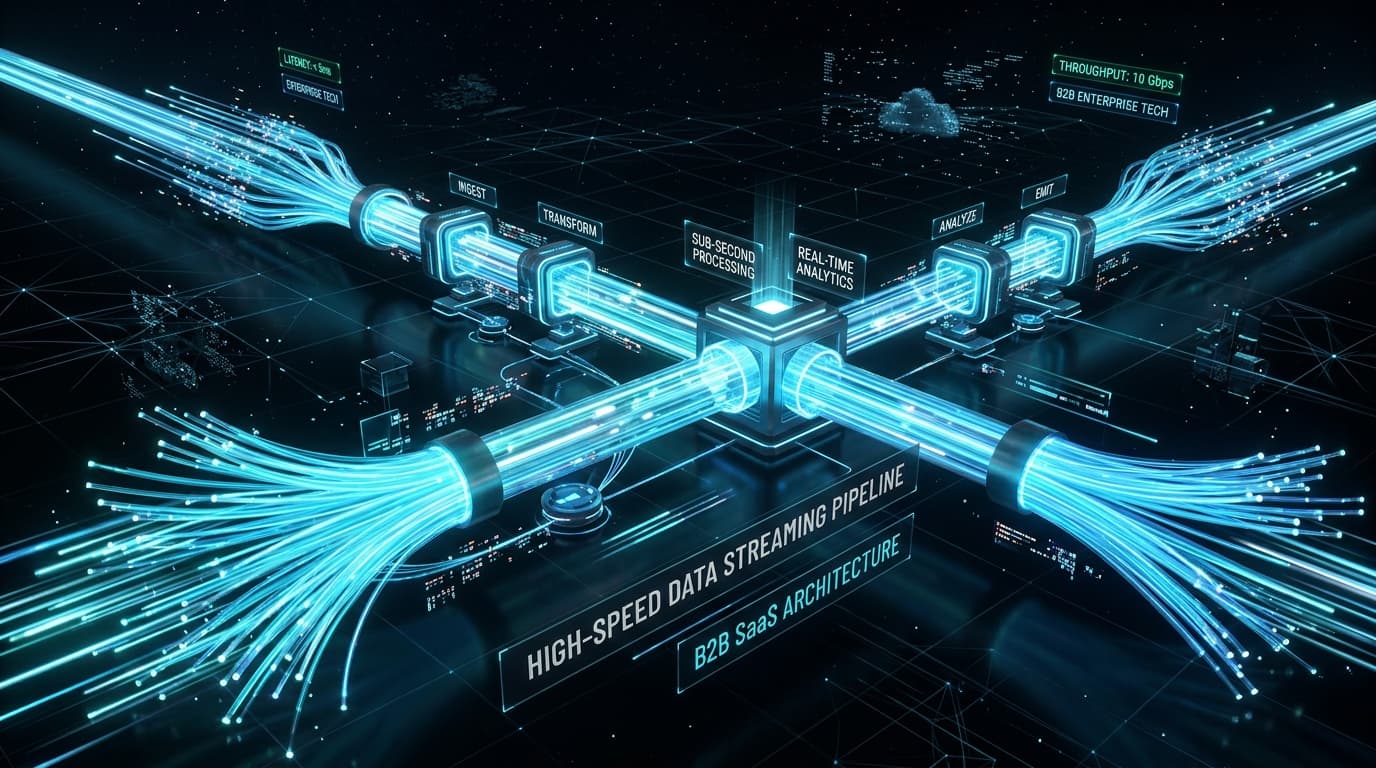
Streaming Infrastructure for PLG Conversion Engines
Learn why real-time streaming architectures are essential for triggering sub-second interventions and maximizing trial conversions in B2B SaaS platforms.

Bridging the AI Sales Intent Chasm in B2B SaaS
Bridge the gap between product usage signals and sales outreach by orchestrating AI-driven contextual handoffs that convert free trials to enterprise.