
Fixing the SaaS Trial: Why 60% of Your Users Drop Off Unseen
A deep dive into the frictionless onboarding fallacy. Why traditional tools fail and how to orchestrate a true path to value.
The Leaky Bucket Problem
For years, SaaS growth teams have obsessed over top-of-funnel metrics. We buy ads, we write SEO content, we meticulously track Cost Per Acquisition. Yet, when those hard-won users finally click "Start Free Trial," 60% to 70% of them will quietly drop off before their credit card is ever charged.
This is the leaky bucket. And the way we've been trying to fix it is fundamentally flawed.
The Frictionless Fallacy
Conventional wisdom says that onboarding should be "frictionless." We remove steps, simplify interfaces, and drop users into an empty product state as quickly as possible. The hope is that the product's value will be immediately obvious.
But for complex B2B software, "frictionless" often just means "unguided." A user staring at a blank dashboard doesn't experience an aha! moment. They experience confusion.
"Friction isn't always the enemy. Unnecessary complexity is the enemy. The right kind of friction—like asking a user what their goals are or having them complete a quick setup tutorial—builds commitment and context."
The Tooling Disconnect
Every time a user gets stuck, what do we do? We send an email. But consider the infrastructure behind that email:
- Product data sits in Mixpanel.
- Billing data sits in Stripe.
- Intercom handles in-app chats.
- Marketo or Hubspot sends the email sequence.
By the time a user triggers a negative signal—say, abandoning a critical workflow halfway through—it takes hours or even days for the marketing platform to process the batch data and send a generic "Hey, did you get stuck?" email.
By that point, the user isn't just stuck. They're gone.
The Orchestration Solution
To fix the leaky bucket, we need to move beyond batch-processed lifecycle emails and static templates. We need orchestrated, event-driven journeys.
- 1Immediate Reaction: When a user completes action A but fails to take action B within 10 minutes, the intervention must be immediate.
- 2True Personalization: A developer struggling with an API integration needs a vastly different recovery message than a marketing manager stuck on template design.
- 3Omnichannel Awareness: If the user read the documentation page, the subsequent email shouldn't link them back to the same documentation.
Synapse Flow AI was built to solve exactly this problem. By unifying the event stream with real-time graph execution and AI-generated copy, growth teams can finally orchestrate journeys that guide users to value, rather than just blasting them when they fall off the path.
Ready to boost your trial conversion?
Join our waitlist and be among the first to experience Synapse Flow AI.
Join our DiscordMore from the blog
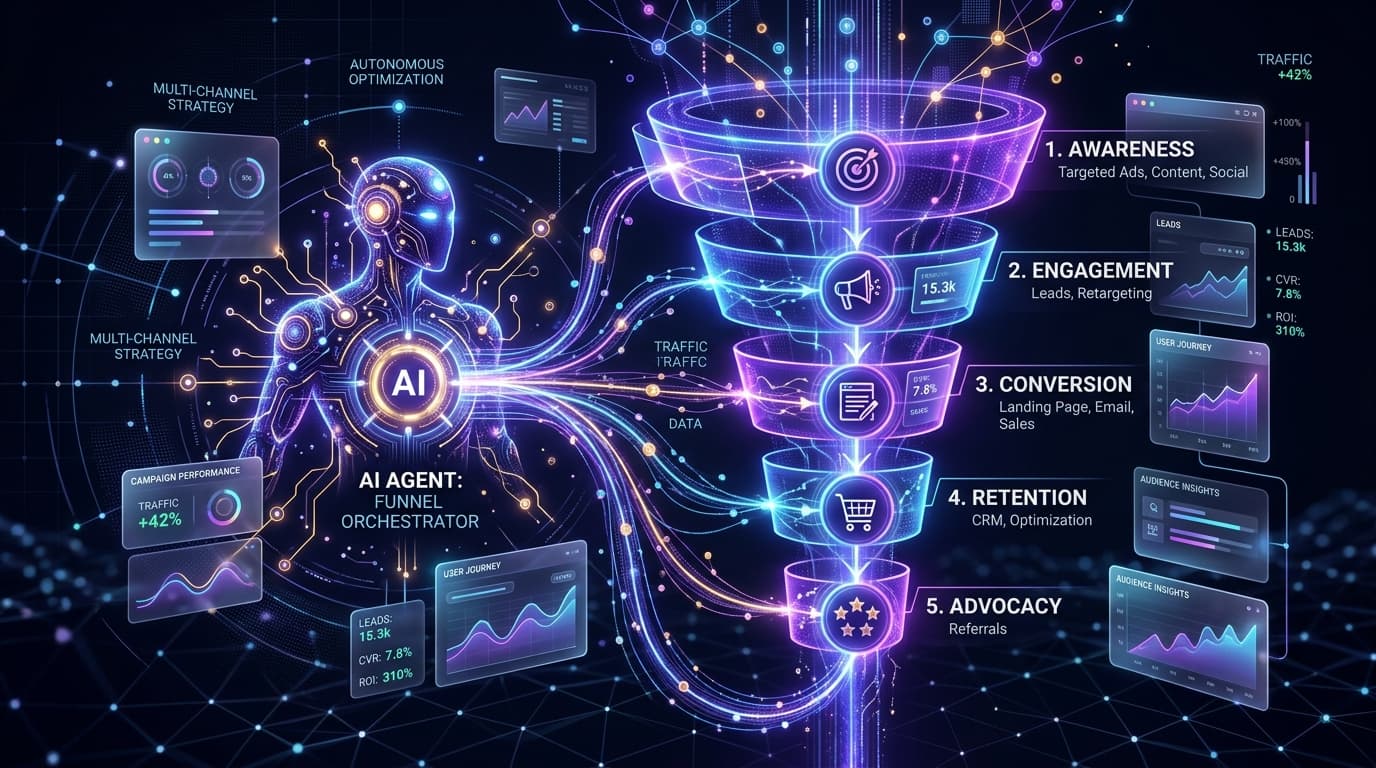
Orchestrating Activation with Autonomous AI Agents
Discover how autonomous AI agents replace rigid marketing flows by continuously experimenting to find the fastest path to your user's trial activation.
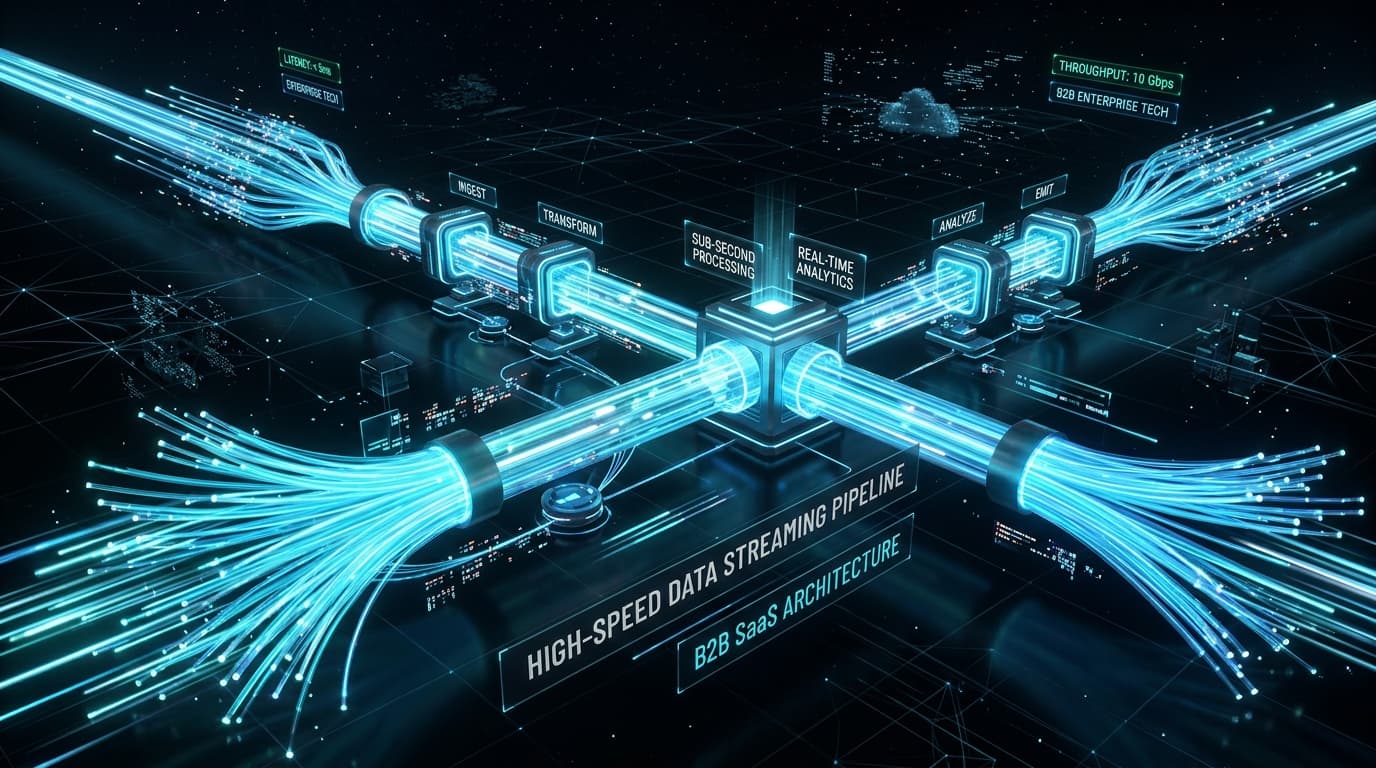
Streaming Infrastructure for PLG Conversion Engines
Learn why real-time streaming architectures are essential for triggering sub-second interventions and maximizing trial conversions in B2B SaaS platforms.
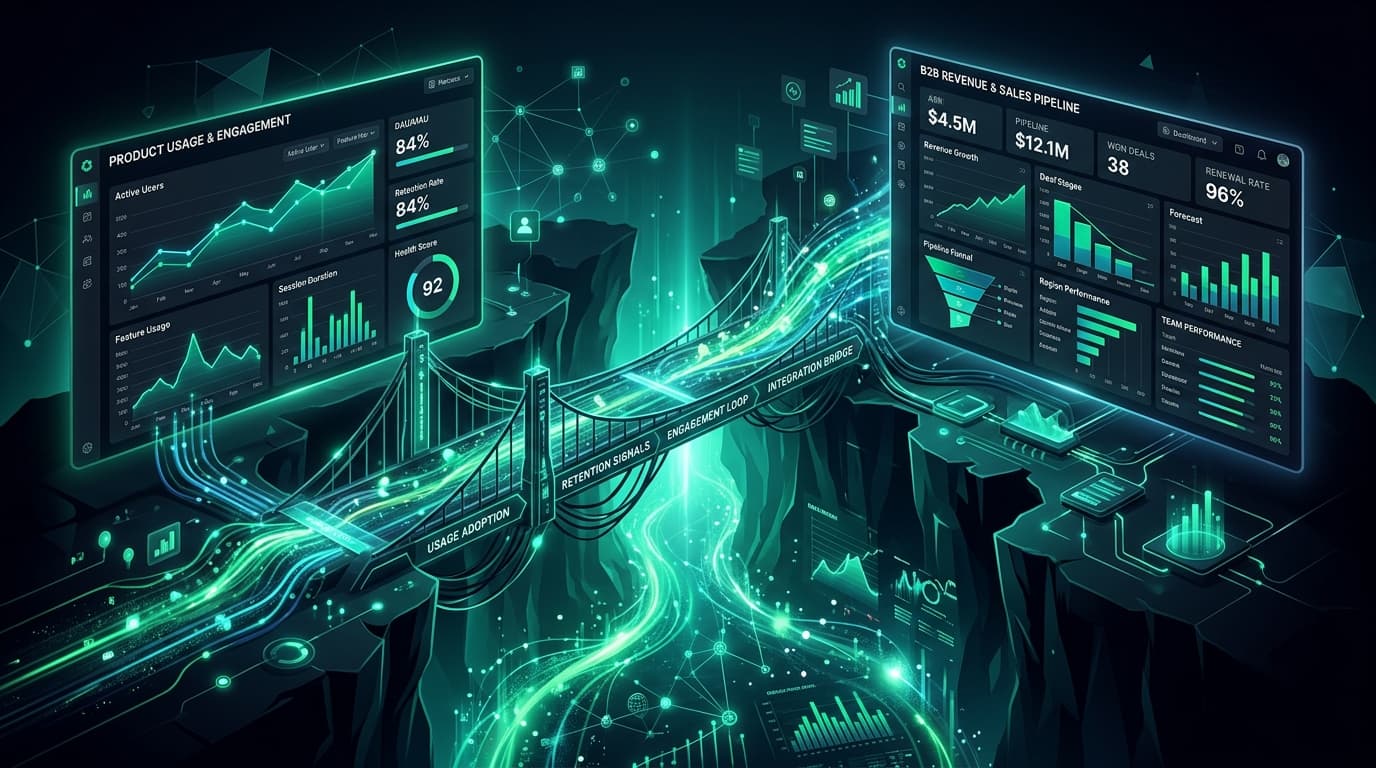
Bridging the AI Sales Intent Chasm in B2B SaaS
Bridge the gap between product usage signals and sales outreach by orchestrating AI-driven contextual handoffs that convert free trials to enterprise.