
The AI-Sales Handoff: Why Your CRM Is Where Intent Goes to Die
The gap between product intent signals and sales follow-up kills revenue. Learn how to build an autonomous PLG-to-enterprise handoff.
The Speed of Intent
In a Product-Led Growth (PLG) world, intent is highly perishable.
A user signs up, hits your Aha! Moment, and invites three team members. In that specific moment, they are more likely to buy than at any other time in their journey. Their problem is top-of-mind, their curiosity is piqued, and they are actively looking for a solution.
And then, the bridge breaks.
The distance between a user hitting an activation threshold and an SDR reaching out is the single most expensive gap in your business.
The CRM Graveyard
Most SaaS companies rely on a static, batch-processed handoff:
- 1User hits a threshold in the product.
- 2A tool like Census or Hightouch syncs that "Product Qualified Lead" (PQL) status to Salesforce or HubSpot.
- 3A "Task" is created for an SDR to reach out.
- 4The SDR sees the task 4 to 24 hours later.
- 5They send a "personalized" email that references an action the user barely remembers taking.
This isn't a handoff; it's a cold case investigation. By the time the SDR enters the conversation, the user's focus has shifted. The momentum is gone.
From Static Tasks to Real-Time Orchestration
Closing the intent gap requires moving from CRM-centric workflows to Event-centric orchestration.
An AI-native handoff doesn't just create a task; it orchestrates a response in milliseconds.
1. Instant Qualification Instead of waiting for a manual lead score update, the agentic layer evaluates the behavioral signal alongside firmographic data (Clearbit, 6sense) in real-time. If the user represents a high-value enterprise account, the system bypasses the generic drip and elevates the lead immediately.
2. Hyper-Contextual Briefing The SDR shouldn't just know that the user is active; they should know exactly what the user was doing. The orchestration engine generates a real-time brief: "User spent 15 minutes in the pricing API docs. They attempted to connect Snowflake but failed twice with a permissions error. They just invited their Head of Engineering."
3. Pre-Drafted Personalization The Cortex Engine drafts the outreach email for the SDR. It doesn't use a template; it references the specific friction point (the Snowflake error) and the specific persona (Engineering). The SDR receives a notification in Slack or Teams with the context and the draft, ready for a 1-click send.
The "Ghost" SDR
In many cases, the most effective sales handoff is one that doesn't look like a handoff at all.
When a user hits a high-intent signal, the orchestration engine can autonomously trigger a "concierge" intervention that appears to come from an SDR but is actually an AI-driven agent. If the user replies, the lead is instantly routed to the human SDR with the full conversation history.
This allows your sales team to focus only on high-intent, active conversations, while the AI manages the "qualification at scale" layer.
Bridging the PLG and Enterprise Gap
The "Sales Handoff" is the ultimate test of your growth infrastructure. If your system can't bridge the gap between product behavior and sales action in under 60 seconds, you are leaving revenue on the table.
Synapse Flow AI was built to be that bridge. By unifying product events with your sales stack through our Encryption Vault and real-time reasoning engine, we ensure that intent is never wasted, and no user is ever left ignored when they are most ready to buy.
Stop letting your leads die in the CRM. Start orchestrating the handoff.
Ready to boost your trial conversion?
Join our waitlist and be among the first to experience Synapse Flow AI.
Join our DiscordMore from the blog
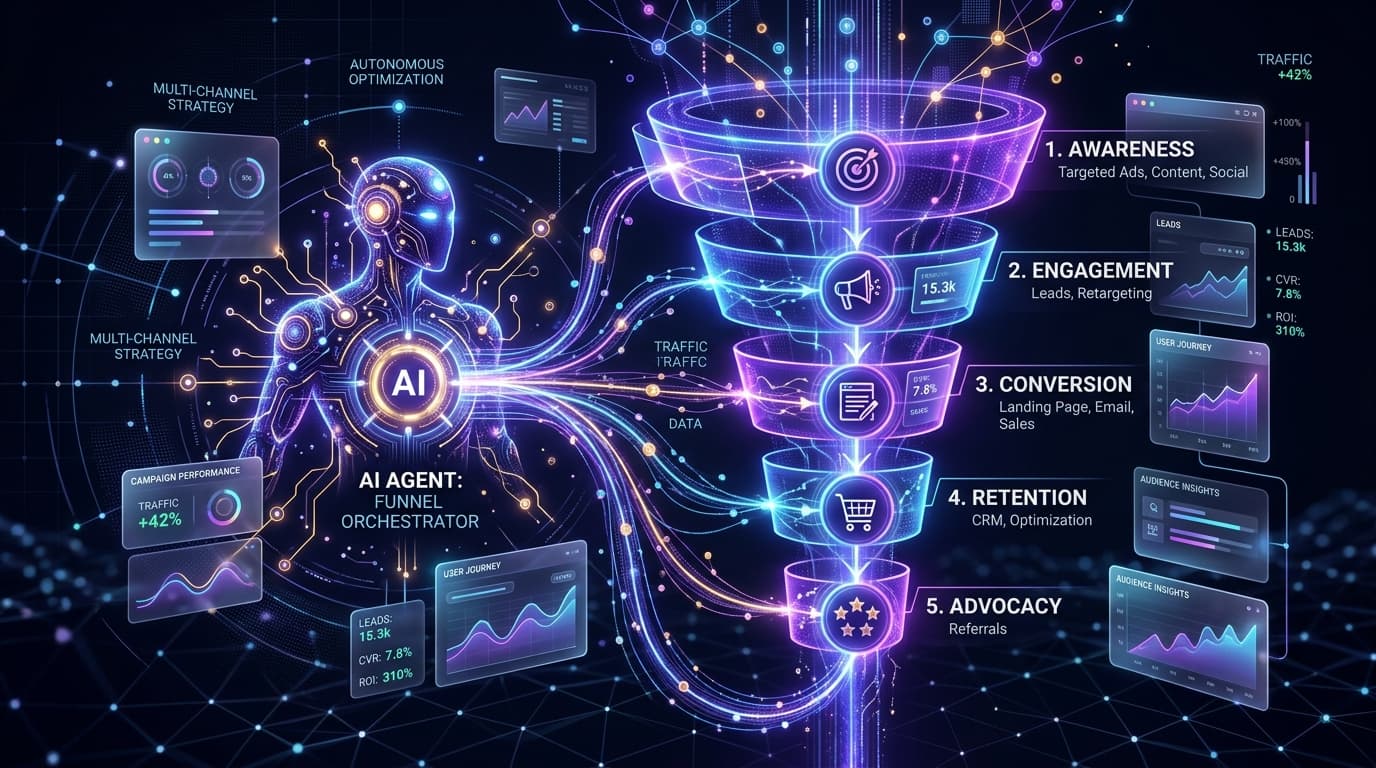
Orchestrating Activation with Autonomous AI Agents
Discover how autonomous AI agents replace rigid marketing flows by continuously experimenting to find the fastest path to your user's trial activation.
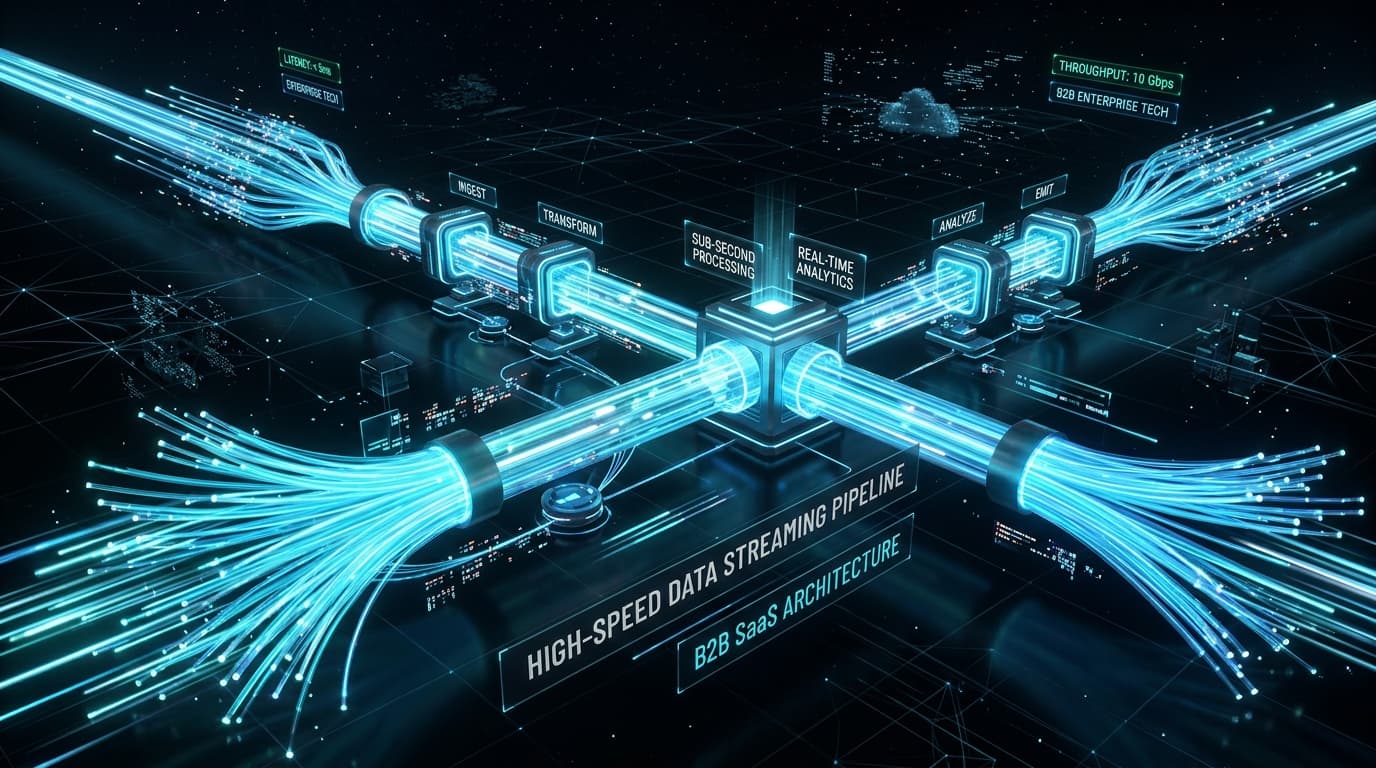
Streaming Infrastructure for PLG Conversion Engines
Learn why real-time streaming architectures are essential for triggering sub-second interventions and maximizing trial conversions in B2B SaaS platforms.
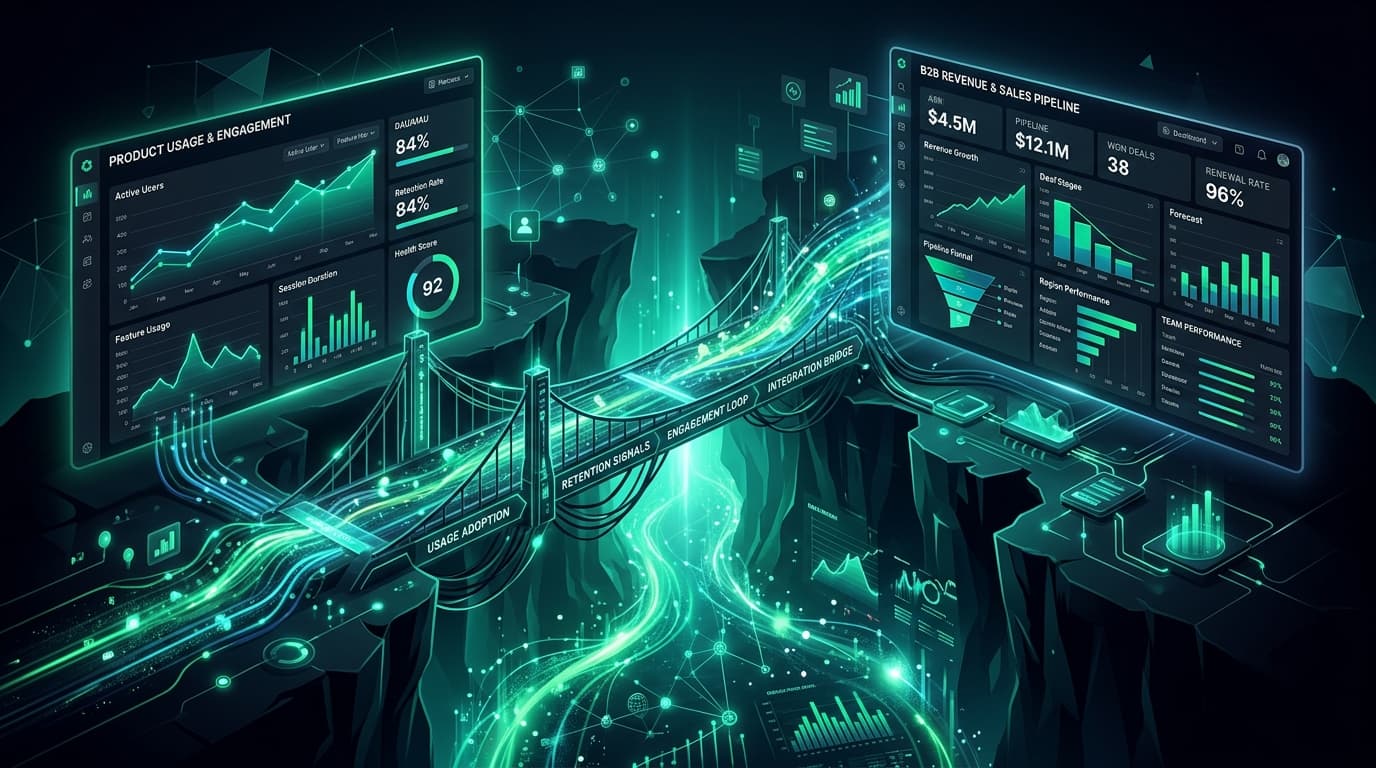
Bridging the AI Sales Intent Chasm in B2B SaaS
Bridge the gap between product usage signals and sales outreach by orchestrating AI-driven contextual handoffs that convert free trials to enterprise.