
The Context Gap: Why Your LLM is Only as Good as Your State Graph
Content generation is easy; contextual relevance is hard. Learn why real-time state orchestration is essential to AI marketing performance.
The Personalization Paradox
If you've played with any modern Large Language Model (LLM), you know they are incredibly articulate. They can write emails, draft documentation, and generate code with a level of fluency that was unthinkable only a few years ago.
But in the world of SaaS growth, fluency is not the same as effectiveness.
The industry is currently flooding the market with "AI-powered" marketing tools. Most of them share a fundamental flaw: they are incredibly good at the how (generating content) but completely blind to the why (the user's actual context).
An LLM is a mouth without a memory. Without a real-time state graph, it's just generating sophisticated noise.
The "What" vs. The "How"
Personalization in 2026 is no longer about getting the user's name right. It's about knowing their status, their history, their friction points, and their intent—in the exact millisecond you communicate with them.
- The How: Drafting a compelling subject line and a persuasive call-to-action.
- The What: Knowing that the user just failed a production deployment, has been a customer for 14 months, and just visited the pricing page for a higher-tier plan.
If your "AI Marketing" tool only handles the how, you are just sending faster, prettier spam.
The State Graph: The Missing Link
Most growth stacks rely on a Data Warehouse (Snowflake, BigQuery) as their source of truth. Data warehouses are great for historical analysis, but they are catastrophically slow for real-time orchestration. They operate in batches. They are static.
A State Graph, however, is a living model of the user. It doesn't just store events; it maintains a real-time representation of the user's current "state."
- Warehouse thinking: "Did this user churn in the last 30 days?"
- State Graph thinking: "Is this user currently stuck on the 'Connect Database' step, and is their sentiment trending negative based on their last three API responses?"
When you connect an LLM to a Data Warehouse, you get an AI that talks about the past. When you connect an LLM to a State Graph, you get an AI that orchestrates the future.
Why Statelessness is a Growth Killer
When an AI system is "stateless"—meaning it doesn't have a persistent, real-time understanding of the user journey—it makes predictable, trust-destroying mistakes:
- 1Repetitive Nudging: The AI sends a "helpful tip" about a feature the user already mastered ten minutes ago.
- 2Context Blindness: The AI pushes an upgrade offer while the user is in the middle of a critical support issue.
- 3Intent Misalignment: The AI treats a "Power User" who is exploring a new feature like a "Trial User" who doesn't know what the product does.
In each case, the AI is "personalizing" based on a single data point, rather than the complete graph of human interaction.
Closing the Gap with Synapse Flow
At Synapse Flow AI, we didn't build an LLM tool. We built a Context Engine.
Our architecture is designed around the Visual Synapse Graph. It's a real-time orchestration layer that sits between your raw data and your communication channels.
- 1Continuous Sensing: Every event—API calls, front-end clicks, billing changes—updates the user's node in the graph instantly.
- 2Context Injection: When the Cortex Engine generates a message, it doesn't just get a prompt. It gets a "State Snapshot"—a compressed, high-context briefing of exactly where that user is in their journey.
- 3Agentic Reasoning: The system doesn't just follow a template. It reasons: "Given this user is a Lead Engineer, has integrated 2/3 required services, and just hit a rate-limit error, what is the single most valuable thing I can say to unblock them?"
The Future is Context-First
As LLMs become commoditized, the competitive advantage shifts from who has the best model to who has the best context.
If your growth strategy relies on an AI tool that doesn't "know" your users in real-time, you are building on a foundation of sand. The future of SaaS isn't just about AI; it's about the Unified State that makes AI intelligent.
Stop giving your AI a script. Give it a memory.
Ready to boost your trial conversion?
Join our waitlist and be among the first to experience Synapse Flow AI.
Join our DiscordMore from the blog
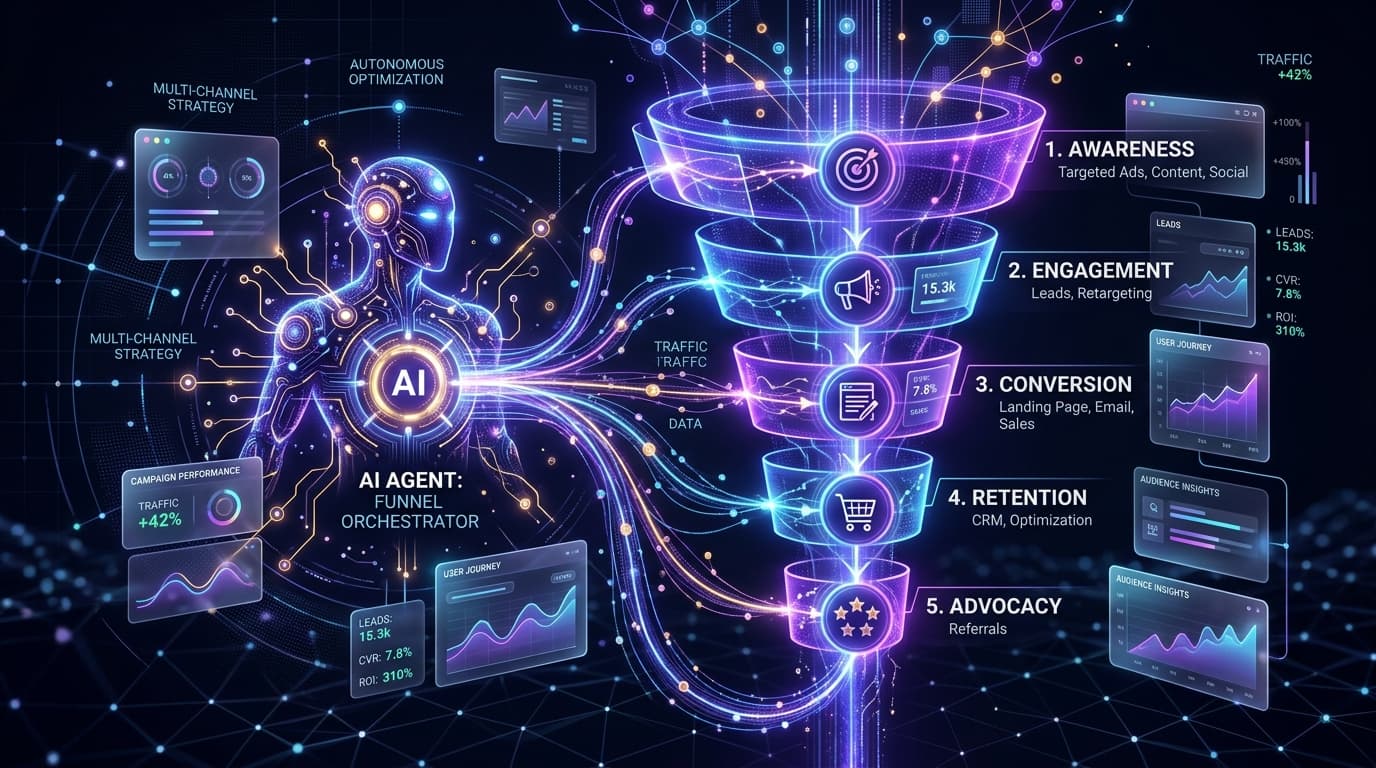
Orchestrating Activation with Autonomous AI Agents
Discover how autonomous AI agents replace rigid marketing flows by continuously experimenting to find the fastest path to your user's trial activation.
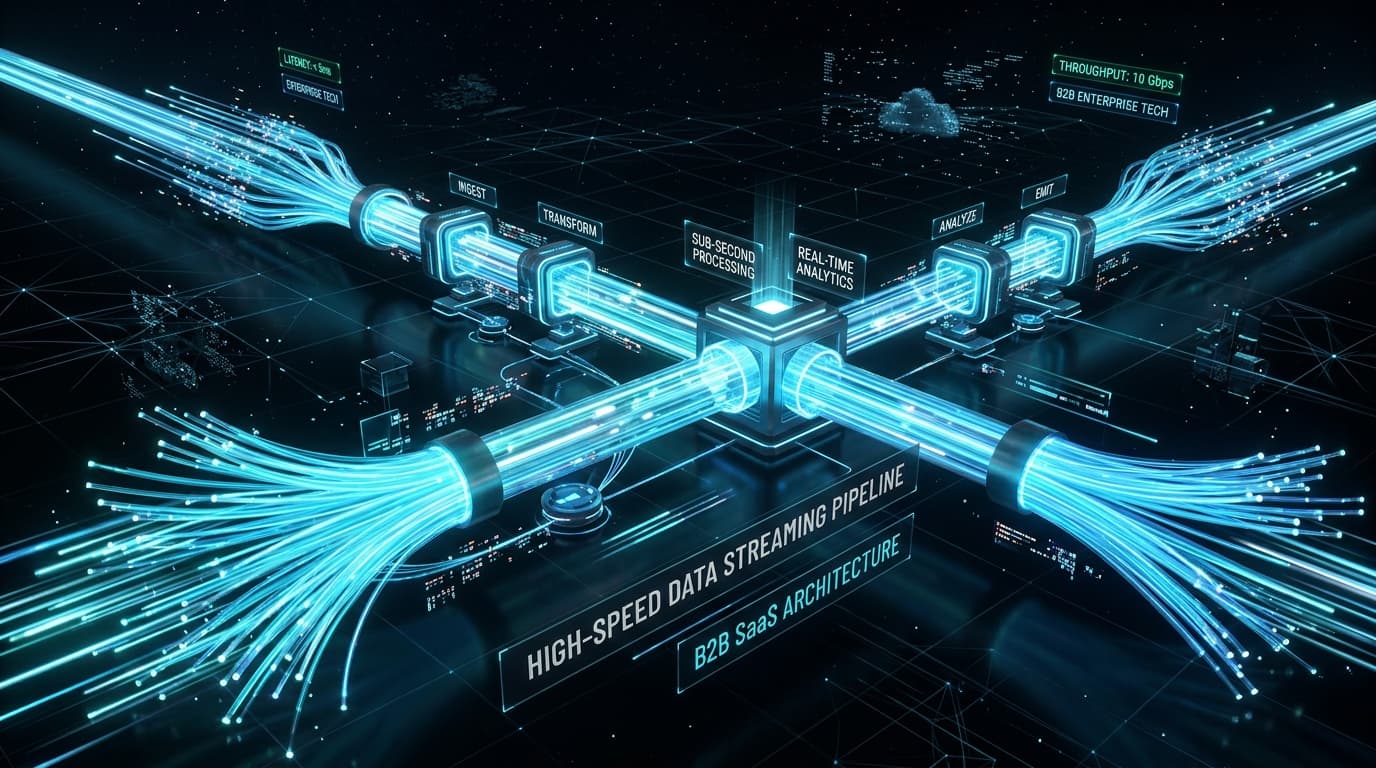
Streaming Infrastructure for PLG Conversion Engines
Learn why real-time streaming architectures are essential for triggering sub-second interventions and maximizing trial conversions in B2B SaaS platforms.
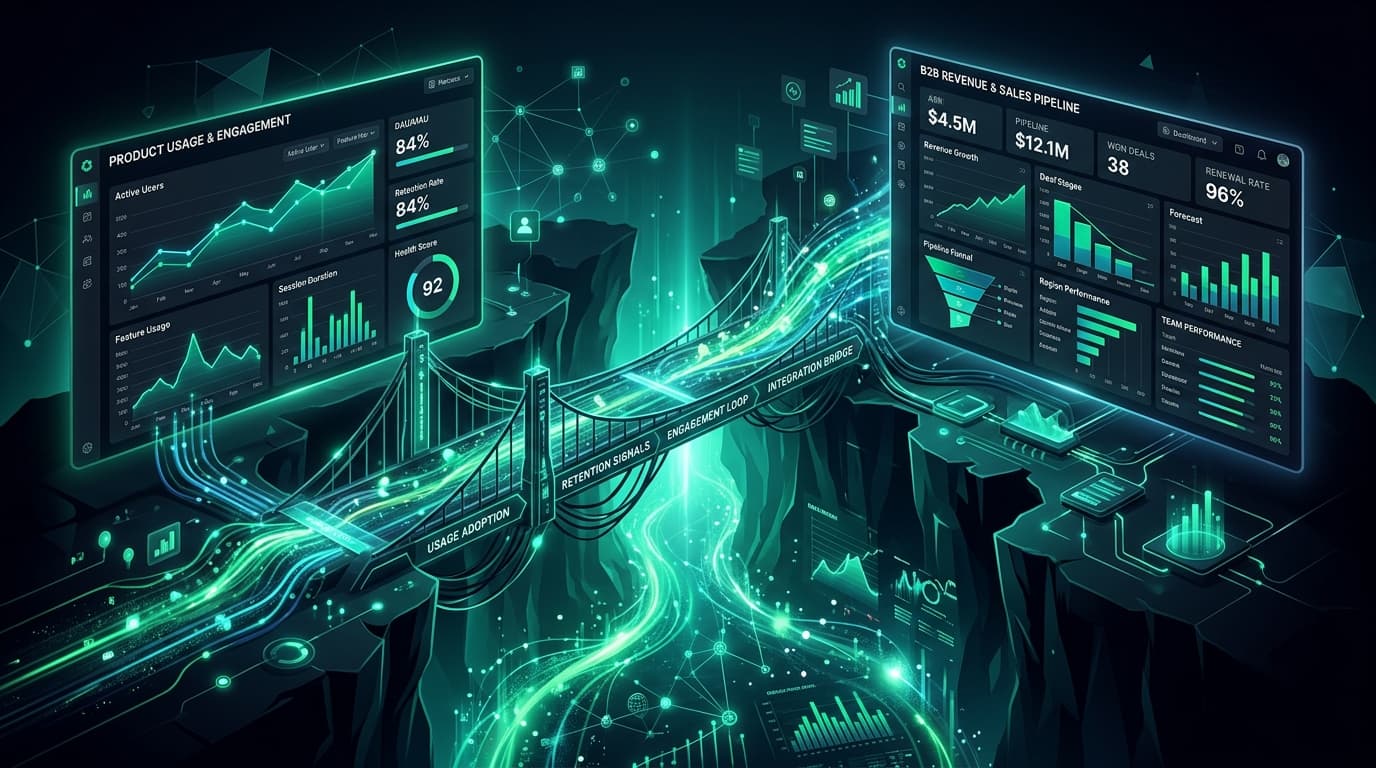
Bridging the AI Sales Intent Chasm in B2B SaaS
Bridge the gap between product usage signals and sales outreach by orchestrating AI-driven contextual handoffs that convert free trials to enterprise.