
The End of {{first_name}}: Why Your Email Personalization Is Failing
Stop treating trial users like rows in a database. How AI is transforming lifecycle campaigns from static templates into true one-to-one communication.
We've Reached Peak Template
We all know the email.
Hi {{first_name}}, I noticed you signed up for {Product} but haven't used the {Feature_Name} feature yet. Would you like to jump on a call?
Ten years ago, this level of personalization felt like magic. Today, it feels like spam. Our users are too smart. They know exactly what a mail merge looks like, and they know that "Account Executive Mike" didn't actually notice their activity.
What We Got Wrong About Personalization
The failure of modern SaaS marketing isn't a lack of data. We have more behavioral data than ever before. The failure is a bottleneck in content creation.
Even if you know exactly, precisely what a user is doing (or failing to do) in your app, you simply cannot write 5,000 different emails to address every possible state, persona, and use case.
So, what do we do? We compromise.
- We bucket users into 3 or 4 generic segments.
- We write one "good enough" template for each bucket.
- We inject a few dynamic variables to make it look personal.
Enter the Cortex: Context-Aware Generation
The advent of Large Language Models changes this paradigm fundamentally. We no longer have to write templates. We write prompts, supply context, and let AI generate the specific message.
With a system like Synapse Flow's AI Cortex Engine, the workflow flips:
- 1The Trigger Context: A user completes the onboarding wizard but doesn't invite their team.
- 2The Persona Context: The user is a "Director of Growth" at a B2B SaaS company.
- 3The Goal Context: The objective is to get them to hit the 'Invite Team' button.
- 4The Generation: The AI, constrained by your brand voice guidelines, writes a completely unique email tailored to a Director of Growth, explaining why inviting their team specifically helps with growth metrics, tying it back to their precise journey.
It realizes that a CTO needs bullet points about single-sign-on, while a CMO needs a paragraph about collaborative analytics. It does this automatically, for 10,000 different users, simultaneously.
Guardrails Are Required
The fear holding teams back from AI content generation is "hallucination." What if the AI promises a feature we don't have? What if it uses the wrong tone?
This is why prompt engineering is not enough for scale. You need orchestration layers that enforce rigid guardrails:
- Hardcoded CTA blocks that the AI cannot alter.
- Pre-approved vocabulary lists.
- Semantic checks before hitting 'Send'.
When you solve the guardrail problem, you unlock infinite personalization. And infinite personalization is how you win the inbox in 2026.
Ready to boost your trial conversion?
Join our waitlist and be among the first to experience Synapse Flow AI.
Join our DiscordMore from the blog
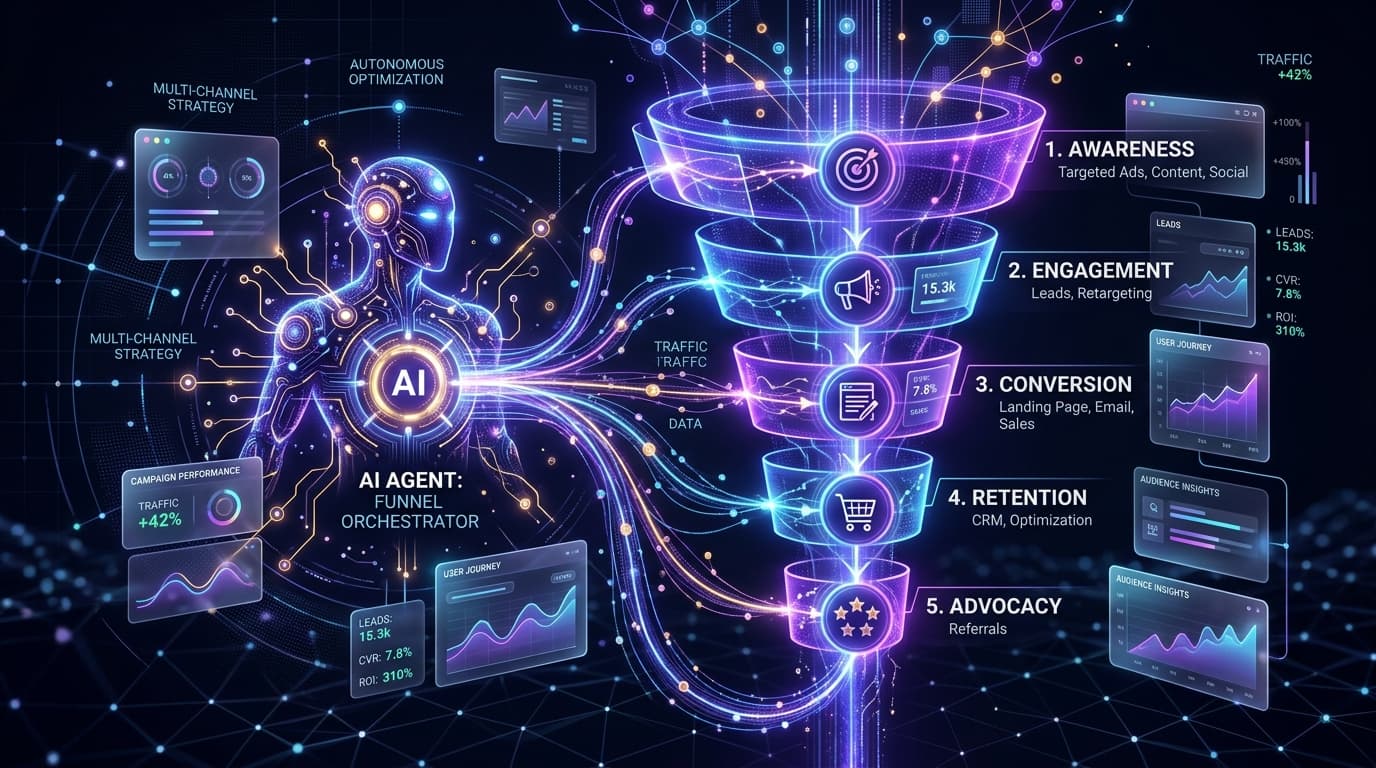
Orchestrating Activation with Autonomous AI Agents
Discover how autonomous AI agents replace rigid marketing flows by continuously experimenting to find the fastest path to your user's trial activation.
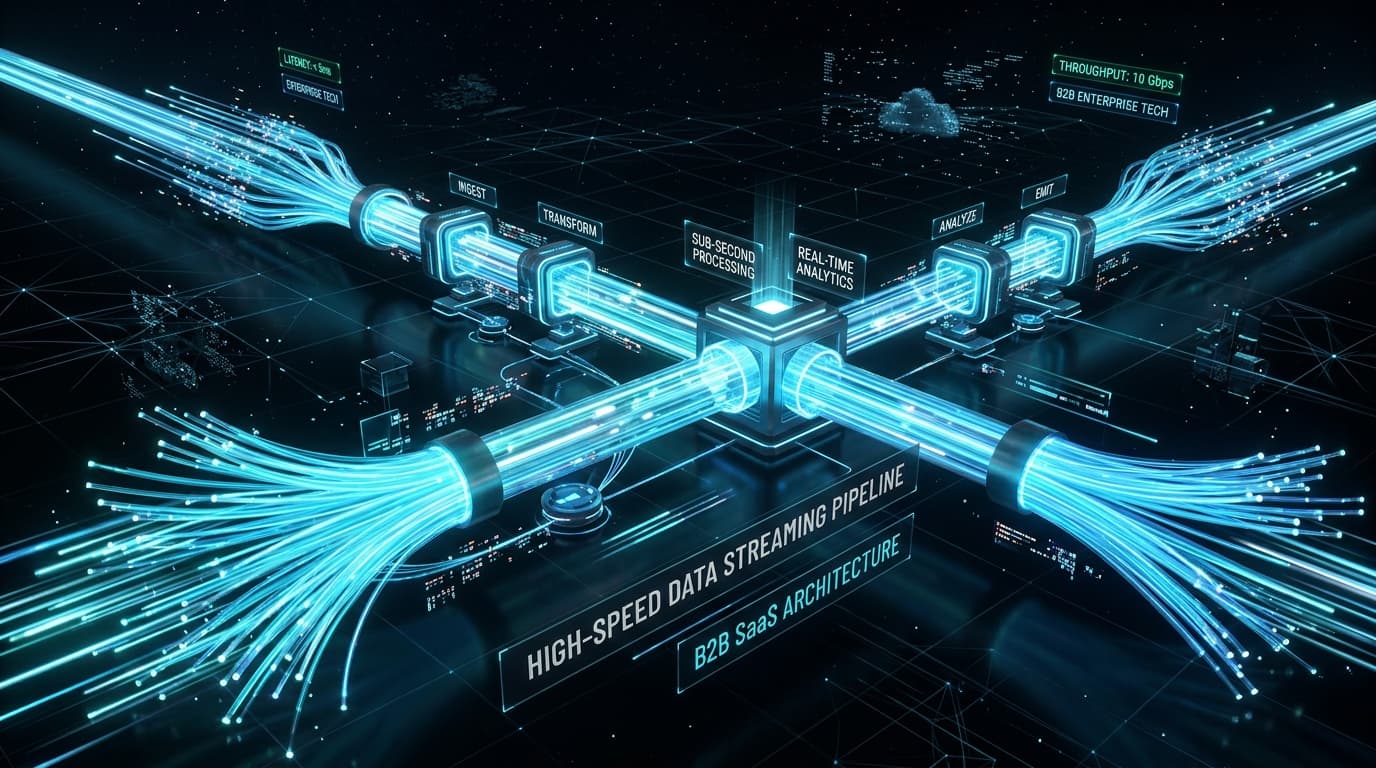
Streaming Infrastructure for PLG Conversion Engines
Learn why real-time streaming architectures are essential for triggering sub-second interventions and maximizing trial conversions in B2B SaaS platforms.

Bridging the AI Sales Intent Chasm in B2B SaaS
Bridge the gap between product usage signals and sales outreach by orchestrating AI-driven contextual handoffs that convert free trials to enterprise.