
The Real-Time Imperative: Why SaaS Growth Dies in Batch Processing
Modern SaaS growth cannot wait hours for action. Why real-time systems are the new competitive advantage in trial conversion.
The Latency Problem Nobody Talks About
In modern SaaS, speed is everything—except where it matters most.
A user signs up, explores a feature, gets confused, and hesitates. This is the most critical moment in their journey.
And what does the system do?
Nothing. For hours.
Because most growth stacks still operate on batch processing.
The Hidden Cost of Delay
Batch systems were designed for a different era—when data was expensive, compute was limited, and real-time processing was impractical.
Today, they create a silent failure mode:
- Events are queued
- Data pipelines process them periodically
- Campaigns trigger hours later
By the time your “We noticed you got stuck” email arrives, the user has already:
- Lost context
- Lost motivation
- Or worse, adopted a competitor
You are not late. You are irrelevant.
The Psychology of Momentum
User behavior in trials is momentum-driven.
There is a narrow window where:
- Intent is high
- Curiosity is active
- Friction is tolerable
Miss that window, and recovery becomes exponentially harder.
A delay of:
- 5 minutes → recoverable
- 1 hour → degraded
- 24 hours → lost
This isn't a marketing problem.
It's a systems architecture problem.
Batch vs Real-Time: The Architectural Divide
Batch Stack:
- Event → Data warehouse → Marketing tool → Email
- Latency: Minutes to hours
- Context: Already stale
Real-Time Stack:
- Event → Orchestration engine → Immediate action
- Latency: Seconds
- Context: Live and actionable
This shift is not incremental. It's foundational.
Event-Driven Orchestration
To operate in real-time, you need an event-driven system—not a campaign scheduler.
Every meaningful user action becomes a trigger:
- Completed onboarding step
- Abandoned workflow
- Feature usage spike
- Inactivity threshold
These events must:
- 1Be processed instantly
- 2Be evaluated against user state
- 3Trigger contextual actions immediately
Not queued. Not delayed. Not approximated.
The Competitive Advantage
Real-time systems don't just improve conversion.
They change the game:
- Faster feedback loops: Experiments converge in hours, not weeks
- Higher personalization accuracy: Context is always current
- Reduced churn: Intervene before disengagement solidifies
- Better user experience: Feels responsive, not reactive
In a world where most SaaS companies still operate on delayed signals, real-time becomes a structural advantage.
From Campaigns to Systems
The biggest mindset shift:
Stop thinking in campaigns. Start thinking in systems.
- Campaigns are static
- Systems are adaptive
- Campaigns assume behavior
- Systems react to behavior
- Campaigns operate on time
- Systems operate on events
This is the transition from marketing automation to growth infrastructure.
The Future is Sub-Second
The next generation of SaaS growth platforms will not ask: "What email should we send on Day 3?"
They will ask: "What should we do in the next 3 seconds?"
And they will answer it—continuously.
Synapse Flow AI is built on this premise: that conversion is not about better messaging alone, but about delivering the right intervention at the exact moment it matters.
Because in SaaS, timing isn't optimization. It's everything.
Ready to boost your trial conversion?
Join our waitlist and be among the first to experience Synapse Flow AI.
Join our DiscordMore from the blog
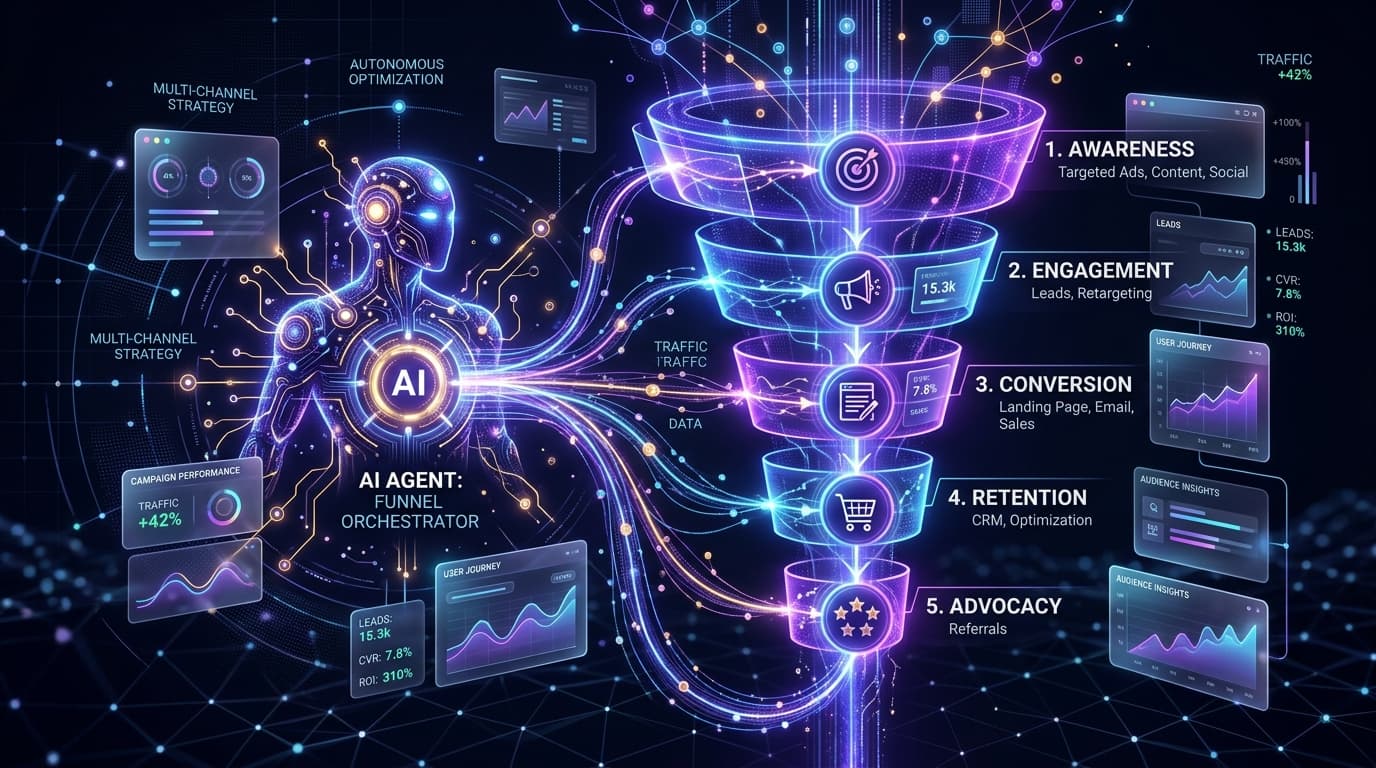
Orchestrating Activation with Autonomous AI Agents
Discover how autonomous AI agents replace rigid marketing flows by continuously experimenting to find the fastest path to your user's trial activation.
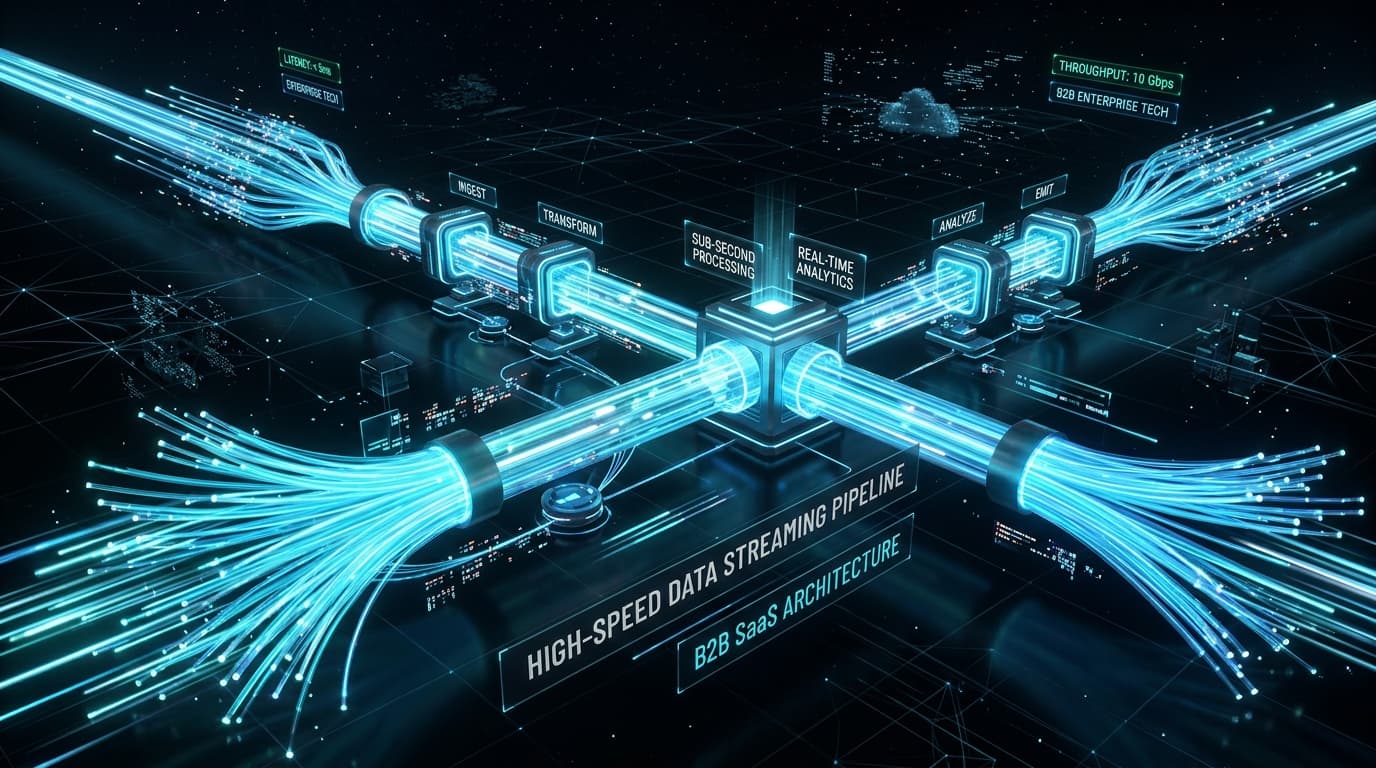
Streaming Infrastructure for PLG Conversion Engines
Learn why real-time streaming architectures are essential for triggering sub-second interventions and maximizing trial conversions in B2B SaaS platforms.
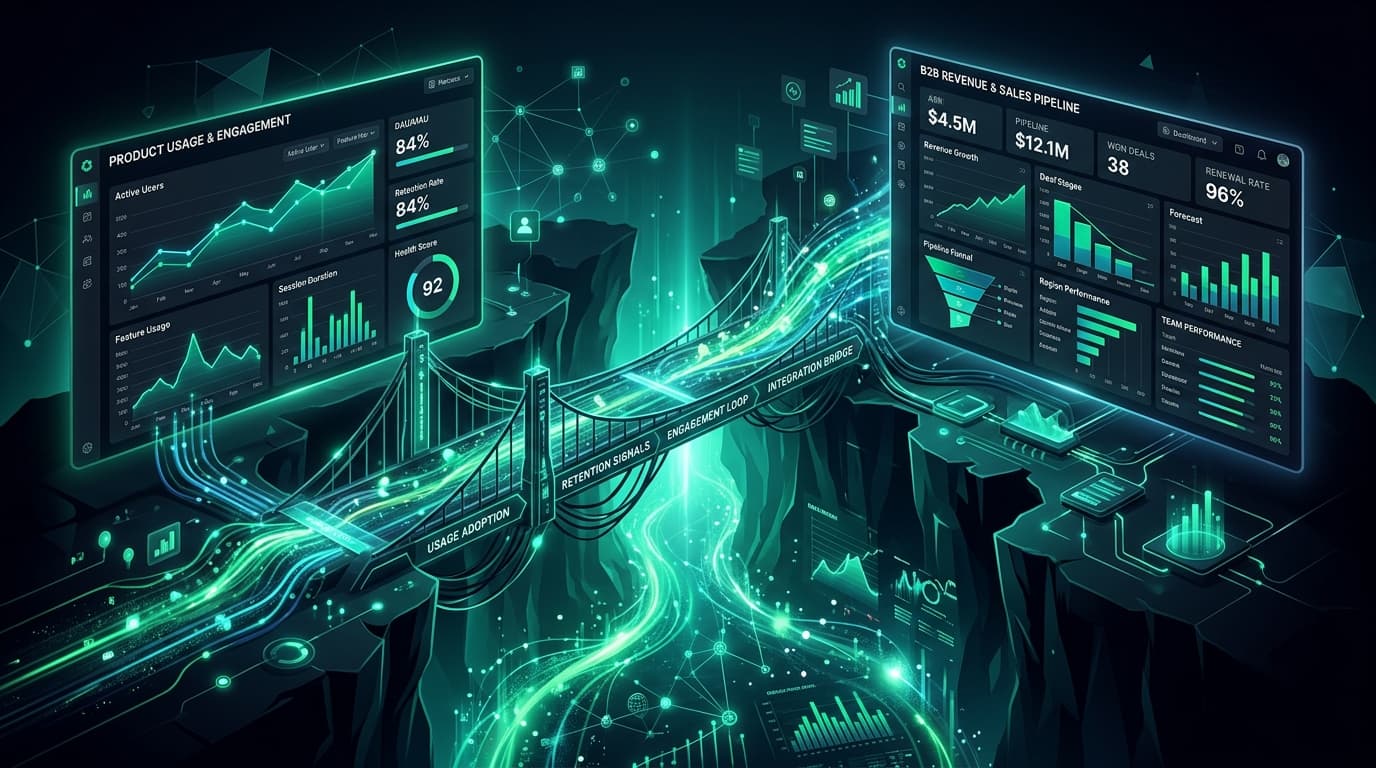
Bridging the AI Sales Intent Chasm in B2B SaaS
Bridge the gap between product usage signals and sales outreach by orchestrating AI-driven contextual handoffs that convert free trials to enterprise.