
The AI-Native Enterprise: Architecting for Growth
See how AI-native companies use autonomous orchestration to outpace competitors and build systems that scale growth automatically.
The Shift from Manual Execution to Autonomous Architecture
In the early days of SaaS, growth was a manual endeavor. You hired marketers to write emails, SDRs to make cold calls, and customer success managers to guide users through onboarding. Then came the era of automation: triggered workflows and linear drip sequences that allowed teams to scale their efforts.
But we are now entering a radically different paradigm. We are moving from automation to autonomy.
Automation does what you tell it to do. Autonomy decides what needs to be done.
An AI-native enterprise is built on the premise that manual execution and rigid logic trees are bottlenecks. Instead, the architecture is designed to empower intelligent agents that can orchestrate growth autonomously.
The Anatomy of an AI-Native Enterprise
Building an AI-native organization isn't just about using a few AI tools. It is a fundamental rewiring of how data, logic, and actions flow within the business.
- 1Unified State Representation: In a traditional company, data is siloed across CRM, product analytics, and marketing platforms. An AI-native enterprise operates on a real-time, unified state graph. Every interaction—whether a product click, a support ticket, or an API request—updates the user's state instantaneously.
- 2Agentic Orchestration Layers: Instead of relying on predefined "If/Else" branches, the system employs agentic workflows that continuously evaluate the user's state against the company's ultimate goals (e.g., activation, retention, expansion).
- 3Dynamic Resource Allocation: When human intervention is required, the AI orchestrates the handoff seamlessly, equipping the human (sales or support) with hyper-contextualized data, empowering them to act quickly and decisively.
Designing Software that Grows Itself
If your software requires humans to manually intervene to drive the next action for every individual user, you are operating at a severe disadvantage. The future belongs to software designed to grow itself.
This self-growth mechanism relies heavily on adaptive learning:
- Discovering the Real Aha! Moment: Using machine learning to identify the true activation events, rather than guessing based on intuition.
- Continuous Content Generation: Relying on cognitive engines like Cortex to generate context-aware communications that address exactly what the user needs at that precise moment.
- Self-Healing Funnels: When a specific onboarding path starts showing degraded conversion, an autonomous system can automatically experiment with alternate journeys until equilibrium is restored.
Overcoming the Orchestration Barrier
The biggest challenge in transitioning to an AI-native architecture is what we call the "Orchestration Barrier." It is incredibly difficult to build a system where the AI connects seamlessly with your product's core actions and secure APIs.
This is precisely where Synapse Flow AI steps in. We provide the intelligence, the state graph, and the execution engine, wrapped within an enterprise-grade encryption vault.
Going AI-native doesn't mean firing your sequence builders. It means promoting them to architects of an intelligent system.
In 2026, the competitive moat is not just having the best product; it is having an operating system that enables the product to distribute and expand itself autonomously. Building the AI-native enterprise is the only way to play the game at this scale.
Ready to boost your trial conversion?
Join our waitlist and be among the first to experience Synapse Flow AI.
Join our DiscordMore from the blog
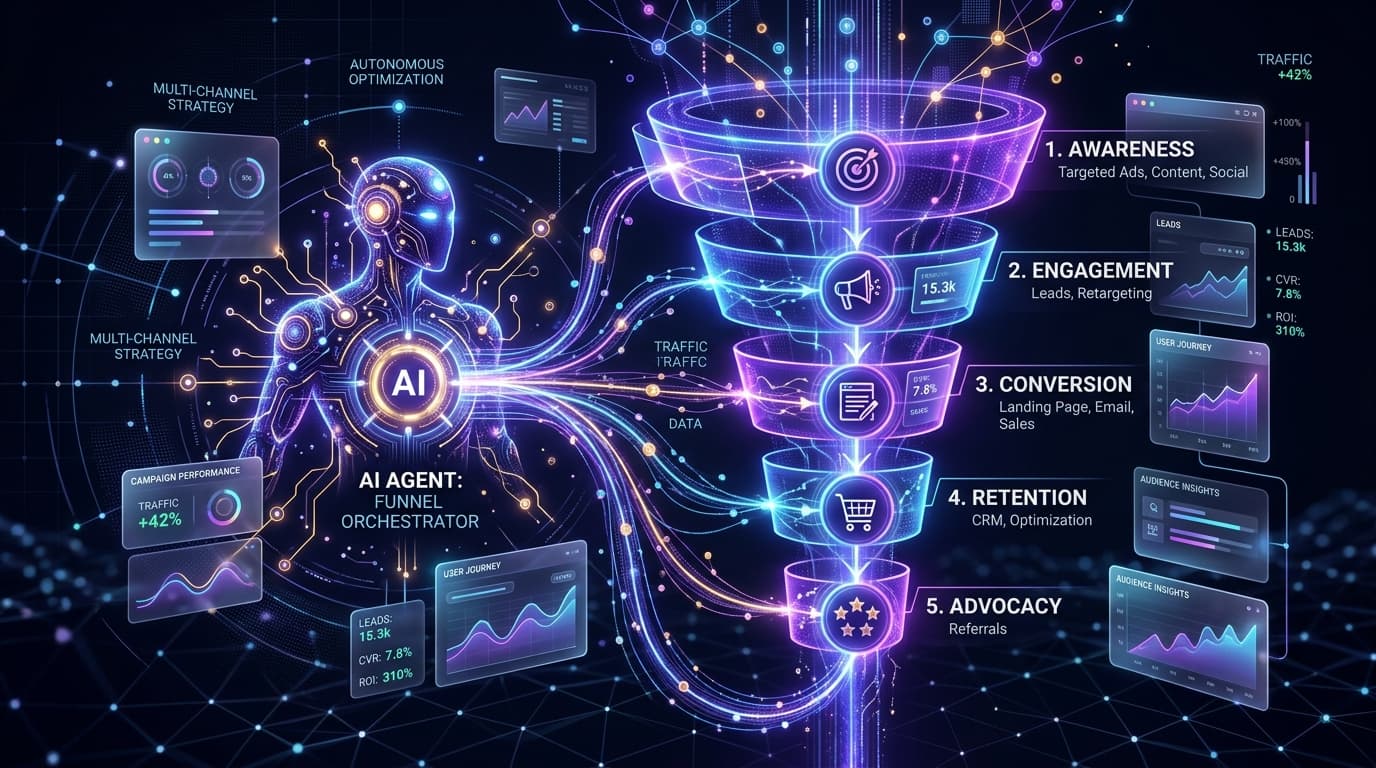
Orchestrating Activation with Autonomous AI Agents
Discover how autonomous AI agents replace rigid marketing flows by continuously experimenting to find the fastest path to your user's trial activation.
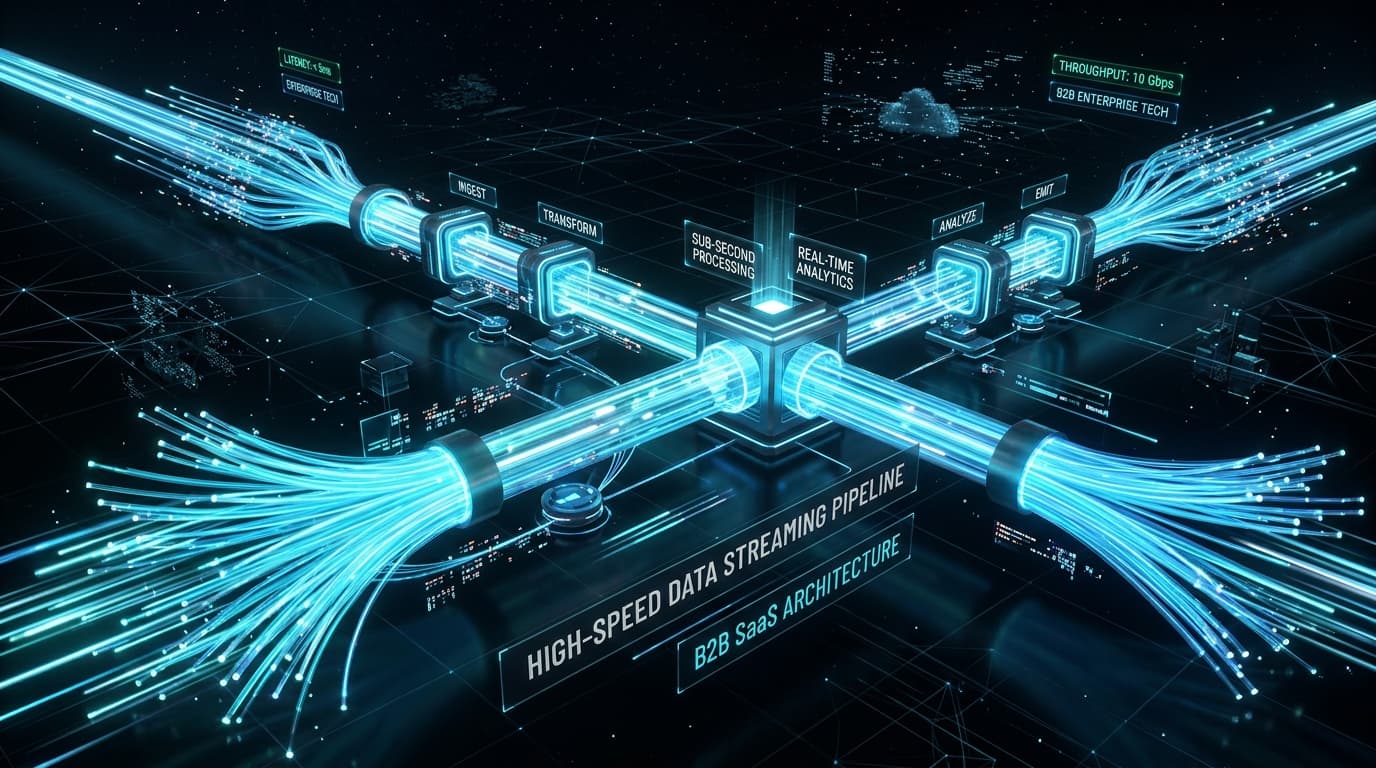
Streaming Infrastructure for PLG Conversion Engines
Learn why real-time streaming architectures are essential for triggering sub-second interventions and maximizing trial conversions in B2B SaaS platforms.
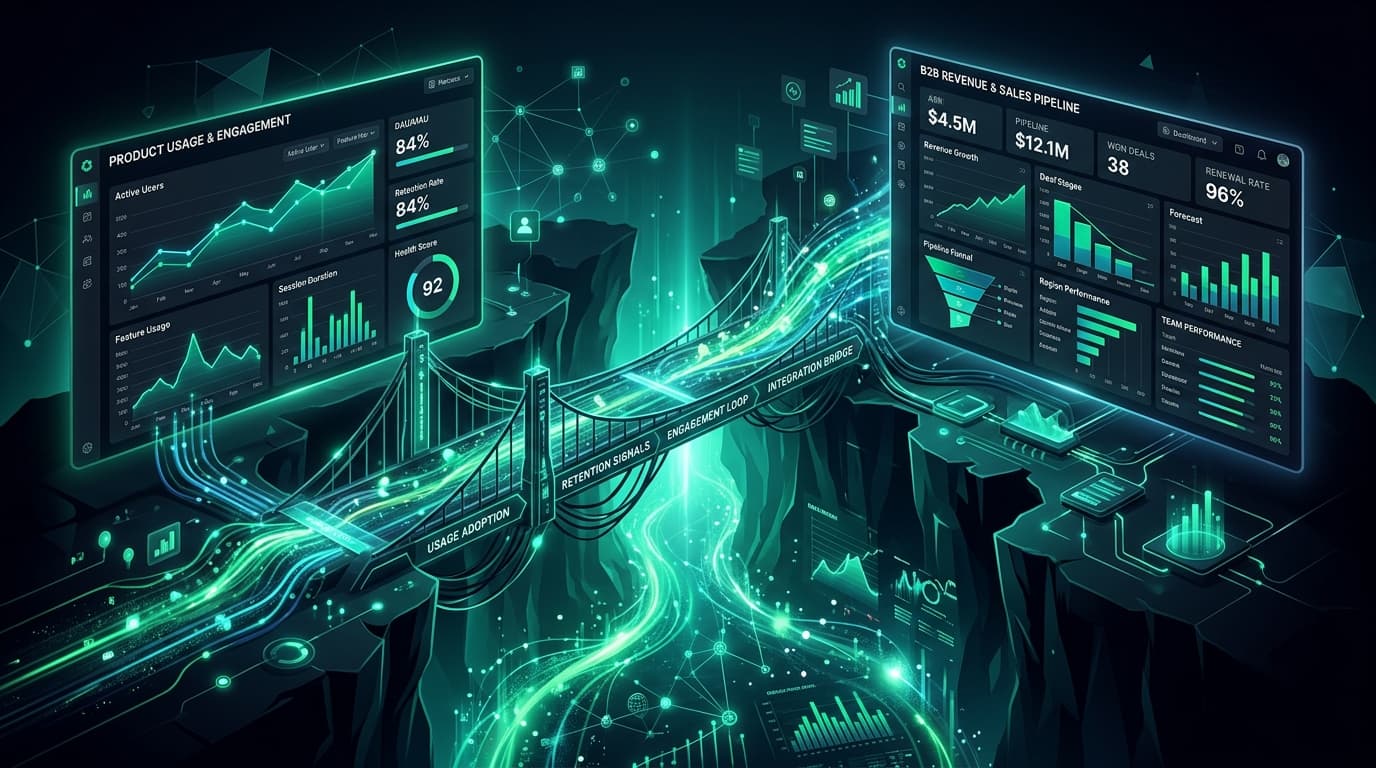
Bridging the AI Sales Intent Chasm in B2B SaaS
Bridge the gap between product usage signals and sales outreach by orchestrating AI-driven contextual handoffs that convert free trials to enterprise.