
Machine Learning the Aha! Moment: Stop Guessing What Drives Conversion
Your intuition about why users buy your software is probably wrong. How to use ML and behavioral data to locate your true Aha! moment.
The Intuition Trap
Ask any product manager what the "Aha! Moment" is for their software, and they will give you a confident answer.
They will tell you it's the moment the user generates their first report, or when they invite a colleague, or when they connect their calendar. They base this on customer interviews, gut feeling, and perhaps a loose correlation noticed in an old Mixpanel dashboard.
More often than not, they are entirely wrong.
When you optimize your entire onboarding journey to drive users toward a presumed "Aha! Moment" that doesn't actually correlate to revenue, you sabotage your own growth.
Enter ML-Powered Aha Detection
We no longer have to guess. We have the data to prove what actions definitively lead to Paid Conversions. The problem is that finding these signals in a sea of noise (thousands of different event types across thousands of users) is beyond human capability.
It requires machine learning.
Aha! Detection engines ingest the entire behavioral stream of your trial users. They look at who churned and who converted. They then run complex pattern-matching algorithms to discover the unique constellation of actions that hold the highest predictive power for conversion.
The Nuance of the Aha
Machine learning often uncovers counter-intuitive truths:
- The Hidden Feature: You might discover that while everyone uses Feature A, it's actually the users who find the obscure settings panel for Feature C who convert at an 85% rate.
- The Threshold Effect: The model might reveal that sending 1 message has a 10% conversion correlation, sending 2 messages has a 12% correlation, but sending 7 messages spikes the conversion correlation to 60%. (This is exactly how Slack discovered their famous 2,000 message threshold).
- The Sequence: Sometimes it's not the action, but the order of actions. Doing X then Y is highly predictive. Doing Y then X is entirely negative.
Activating the Insight
Once the ML identifies your true Aha! Moment, you don't just put that data in a slide deck. You operationalize it.
You feed that exact behavioral trigger back into your Synapse Graph. You restructure the entire UI and your email onboarding sequence to aggressively funnel users toward that specific action. You attach alerts so your Sales team is notified the exact second a high-value account triggers the Aha! Moment.
Data without orchestration is trivial. Knowing the Aha! Moment is the first step; forcing a user to experience it is the business.
Ready to boost your trial conversion?
Join our waitlist and be among the first to experience Synapse Flow AI.
Join our DiscordMore from the blog
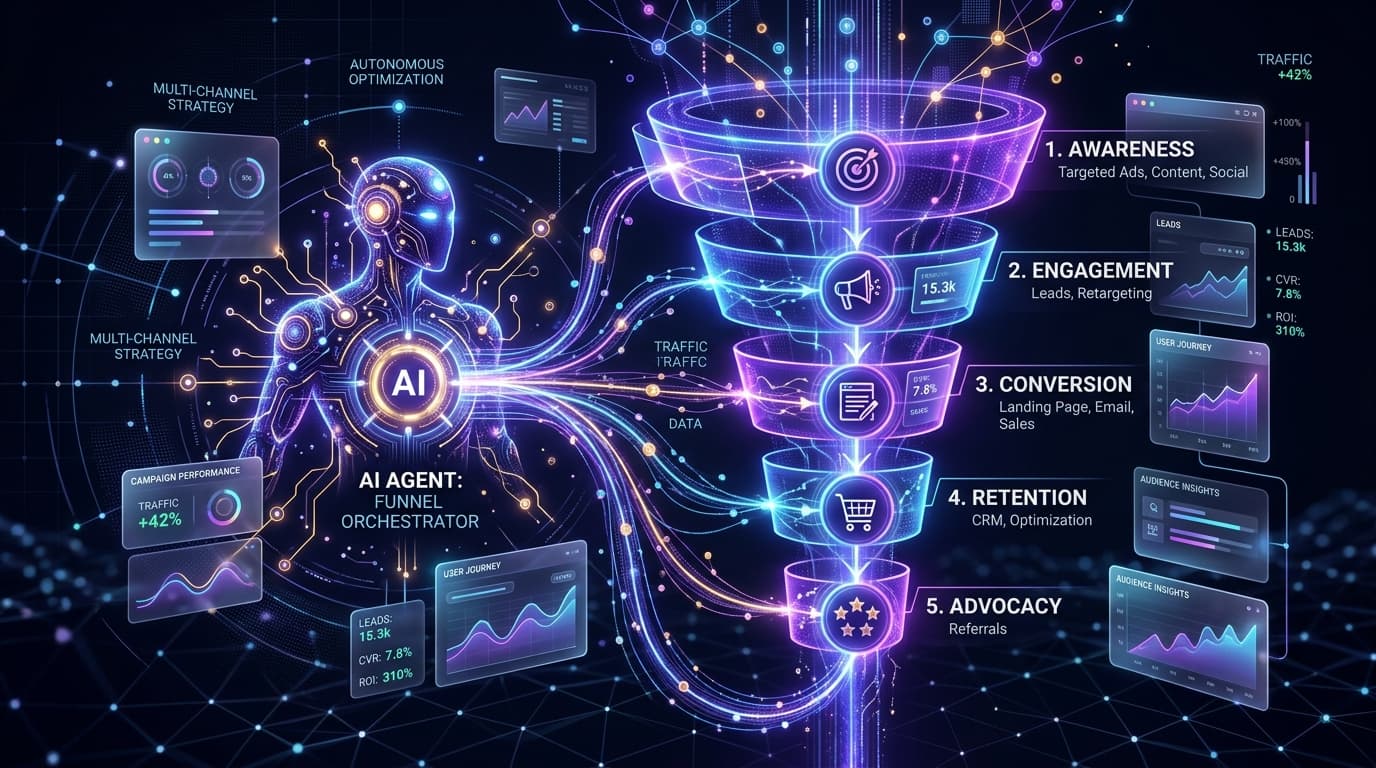
Orchestrating Activation with Autonomous AI Agents
Discover how autonomous AI agents replace rigid marketing flows by continuously experimenting to find the fastest path to your user's trial activation.
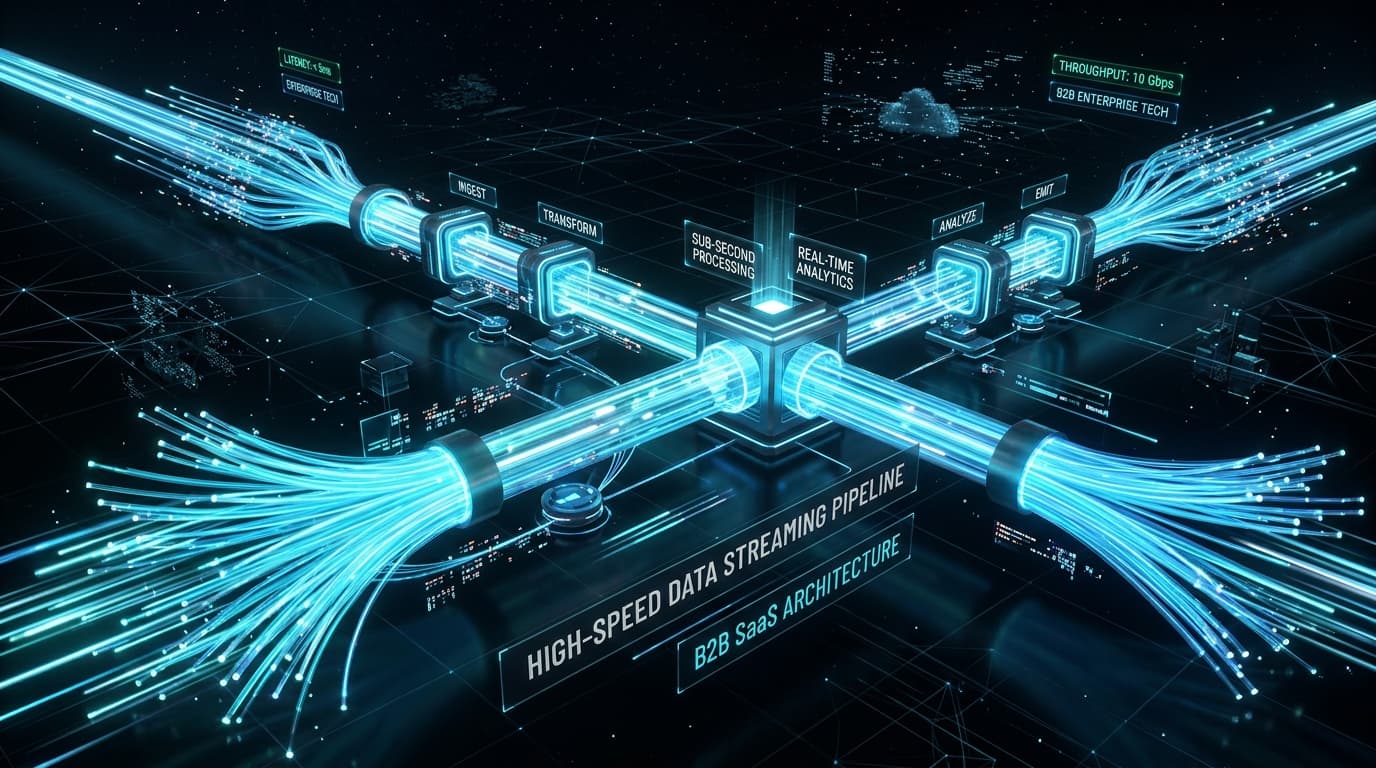
Streaming Infrastructure for PLG Conversion Engines
Learn why real-time streaming architectures are essential for triggering sub-second interventions and maximizing trial conversions in B2B SaaS platforms.
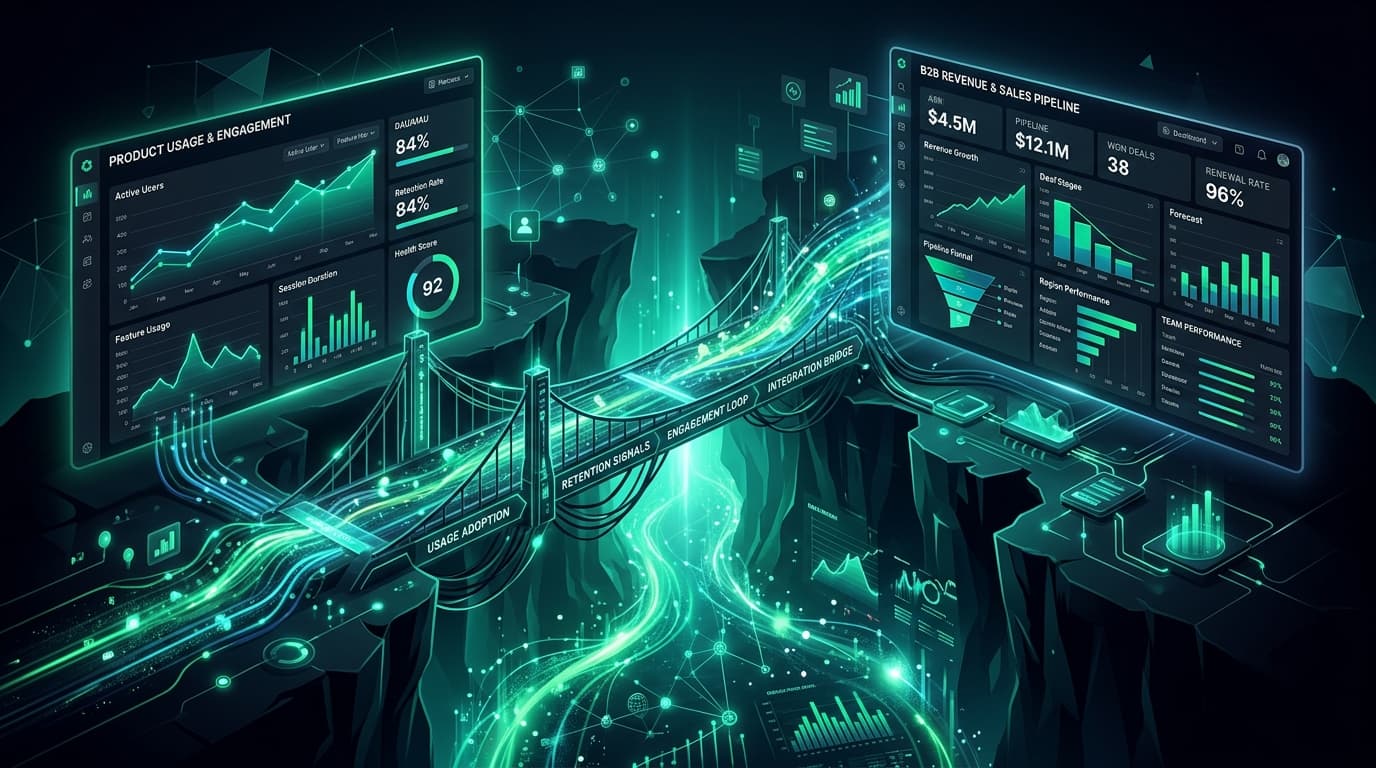
Bridging the AI Sales Intent Chasm in B2B SaaS
Bridge the gap between product usage signals and sales outreach by orchestrating AI-driven contextual handoffs that convert free trials to enterprise.