
The Death of the Linear Sequence: Building Adaptive Trial Graphs
Day 1, Day 3, Day 7 emails are obsolete. How smart branching and real-time validation create journeys that react to user intent.
The Drip Campaign is Dead
If your trial onboarding consists of a "Drip Campaign"—a rigid sequence of emails sent on Day 1, Day 3, Day 5, and Day 7—you are actively annoying your best users.
Consider the highly motivated user. They sign up, integrate their data, invite three team members, and explore the core features all within the first 48 hours. On Day 5, your automated system sends them: "Hey! Having trouble getting started? Here is a beginner's guide to importing your first dataset."
You look foolish. Worse, you train the user to ignore your emails.
The Need for Adaptive Logic
Journeys must adapt to the speed and signals of the user. This requires moving away from chronologically triggered lists and moving toward complex, visually managed state machines—or Graphs.
Smart Branching allows you to orchestrate distinct realities for different users based on real-time behavior.
- The Fast-Tracker: If a user completes the "Aha! Moment" within hours, a smart branch bypasses the entire educational sequence, instantly triggering the "Upgrade to Pro for advanced features" offer.
- The Inactive Ghost: If a user logs in once and never returns, waiting 7 days to intervene is too long. A smart branch detects 48 hours of total inactivity and triggers a personalized re-engagement sequence offering a concierge setup call.
- The Feature Explorer: If a user heavily utilizes Feature X, but ignores Feature Y, branch logic ensures the messaging focuses on the cross-sell value of Y.
Automating the Optimizer: A/B at Scale
An adaptive journey is only as good as its experiments. But traditional A/B testing is tedious. You split a list, wait a week, analyze the winner, manually implement the change, and test again.
Smart Branching must include automated statistical validation. When you attach two different email nodes to an A/B split node, the system should monitor the downstream Conversion Events continuously. Once a statistical confidence threshold (e.g., 95%) is reached, the graph should dynamically self-optimize, routing 100% of new traffic to the winning node.
Stop dripping. Start adapting.
Ready to boost your trial conversion?
Join our waitlist and be among the first to experience Synapse Flow AI.
Join our DiscordMore from the blog
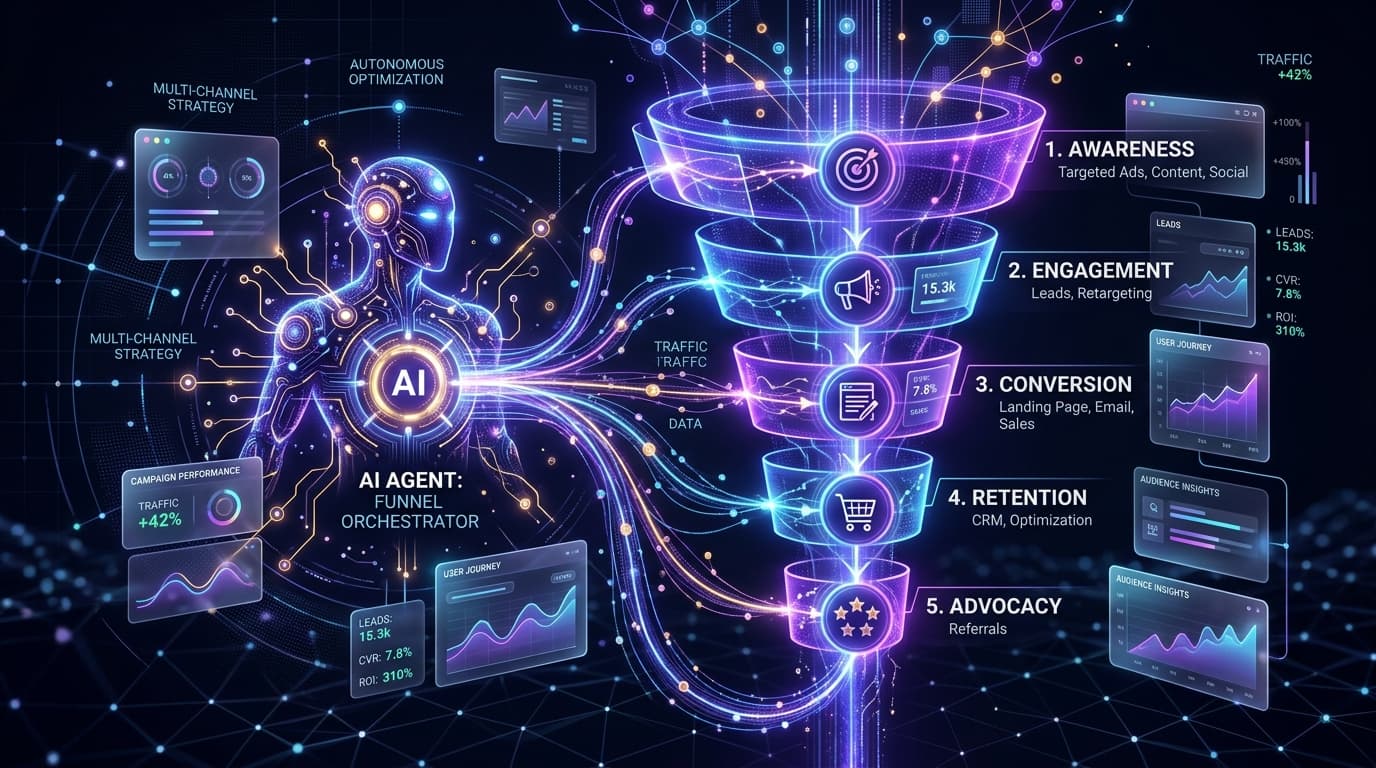
Orchestrating Activation with Autonomous AI Agents
Discover how autonomous AI agents replace rigid marketing flows by continuously experimenting to find the fastest path to your user's trial activation.
Streaming Infrastructure for PLG Conversion Engines
Learn why real-time streaming architectures are essential for triggering sub-second interventions and maximizing trial conversions in B2B SaaS platforms.
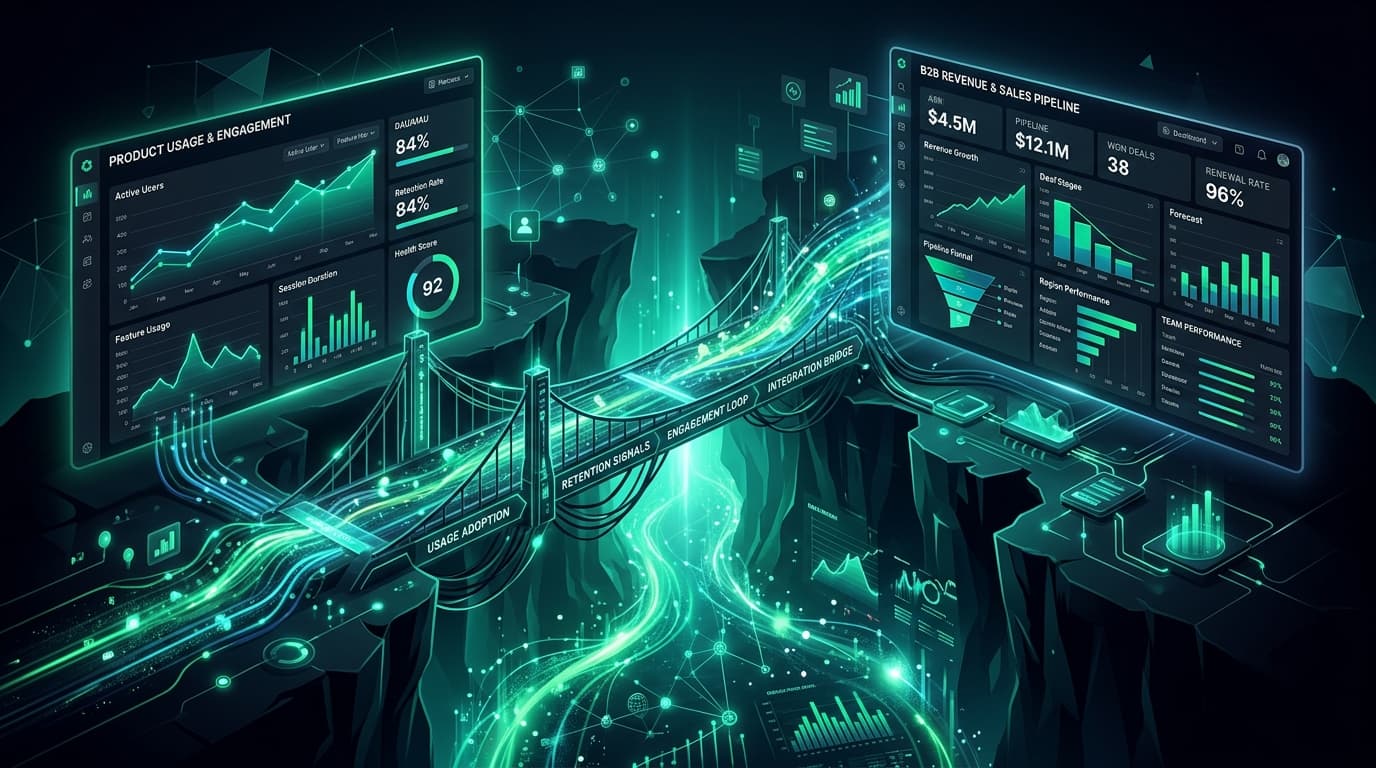
Bridging the AI Sales Intent Chasm in B2B SaaS
Bridge the gap between product usage signals and sales outreach by orchestrating AI-driven contextual handoffs that convert free trials to enterprise.