
The Multi-Product Churn Crisis
A second product should amplify growth, not split it. Learn how cross-product orchestration prevents churn and protects expansion revenue.
The Expansion Paradox
Every SaaS playbook tells the same story: once you've nailed Product-Market Fit for your core product, you launch a second product to expand wallet share. The math looks beautiful on a board deck. Cross-sell into your existing base, reduce CAC to near zero, compound Net Revenue Retention above 130%.
But here's what actually happens.
Your existing customers—the ones happily paying for Product A—start receiving onboarding emails for Product B. These emails assume the recipient is a stranger. They explain concepts the user already understands. They use a different tone, a different sender name, sometimes even a different design system.
The user doesn't feel like a valued customer being introduced to a new capability. They feel like they've been dumped into someone else's marketing funnel.
When your second product's onboarding ignores everything the user has already done, you don't just fail to cross-sell. You actively erode trust in Product A.
The Silo Problem
The root cause is architectural, not strategic.
In most SaaS companies, each product team operates its own growth stack. Product A has its lifecycle sequences in one tool. Product B has its own sequences in another tool—or worse, the same tool but a completely separate workspace.
This creates three catastrophic failure modes:
- 1Message Collision: A user receives an upgrade nudge for Product A and an onboarding drip for Product B on the same morning. Neither system knows about the other.
- 2Context Amnesia: Product B's onboarding asks the user to "set up their workspace" even though they already have a fully configured workspace in Product A with 14 active team members.
- 3Churn Misdirection: When the user's engagement with Product A drops (because they're now spending time exploring Product B), Product A's health scoring flags them as at-risk and triggers a win-back campaign. The user receives a desperate "We miss you!" email for a product they never left.
The Unified State Graph
Solving this requires a single orchestration layer that maintains a unified state across every product surface.
In a cross-product state graph:
- Identity is singular. The user is one entity. Their behavioral history in Product A is first-class context when orchestrating Product B's journey.
- Messaging is coordinated. A global throttle ensures no user receives more than N messages in a rolling window, regardless of which product originated the send.
- Goals are hierarchical. The top-level objective is not "activate the user in Product B." It is "maximize lifetime value across the entire relationship." Sometimes, that means not pushing Product B at all.
Timing the Cross-Sell
The most dangerous mistake in multi-product growth is triggering the cross-sell too early.
A user who hasn't reached deep activation in Product A is not ready to hear about Product B. Introducing it prematurely splits their attention, dilutes their commitment, and increases the probability of abandoning both.
The orchestration engine should enforce a prerequisite gate:
- Has the user hit the Aha! Moment in Product A?
- Are they past the activation threshold with at least 3 weekly active sessions?
- Is their account in a healthy expansion state (team invites sent, integrations connected)?
Only when all three conditions are true should the cross-product branch activate.
From Funnel to Flywheel
When cross-product orchestration is done correctly, the dynamic inverts. Instead of Product B cannibalizing Product A, each product reinforces the other:
- Product A generates the behavioral signal that the user is ready.
- Product B's onboarding skips 60% of its steps because the system already knows the user's role, team size, and integration stack.
- The user experiences a seamless expansion that feels like unlocking a new level, not starting a new game.
This is the flywheel. And it only works when your orchestration layer treats the customer relationship as a single, continuous graph—not a collection of disconnected funnels.
Your second product is not a new funnel. It's a new branch on the same graph. Treat it accordingly.
Ready to boost your trial conversion?
Join our waitlist and be among the first to experience Synapse Flow AI.
Join our DiscordMore from the blog
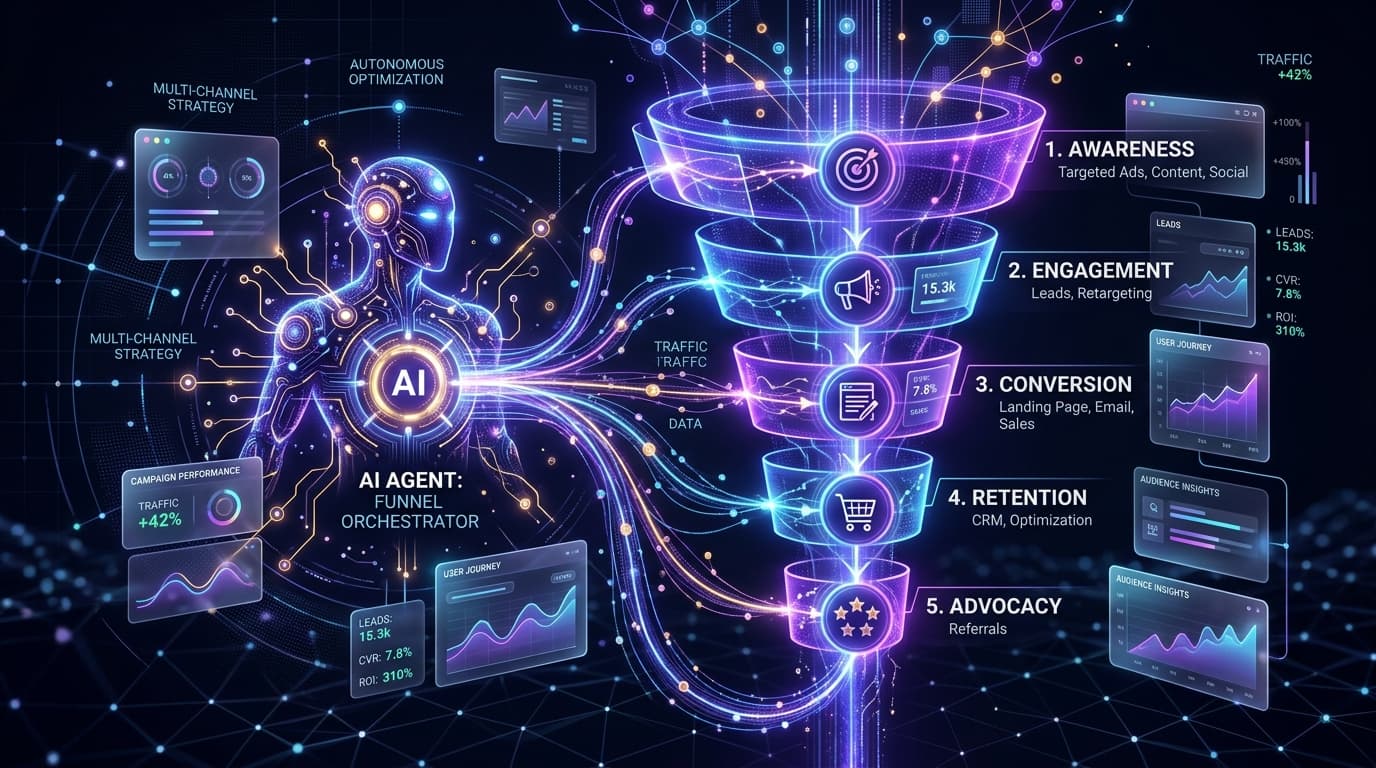
Orchestrating Activation with Autonomous AI Agents
Discover how autonomous AI agents replace rigid marketing flows by continuously experimenting to find the fastest path to your user's trial activation.
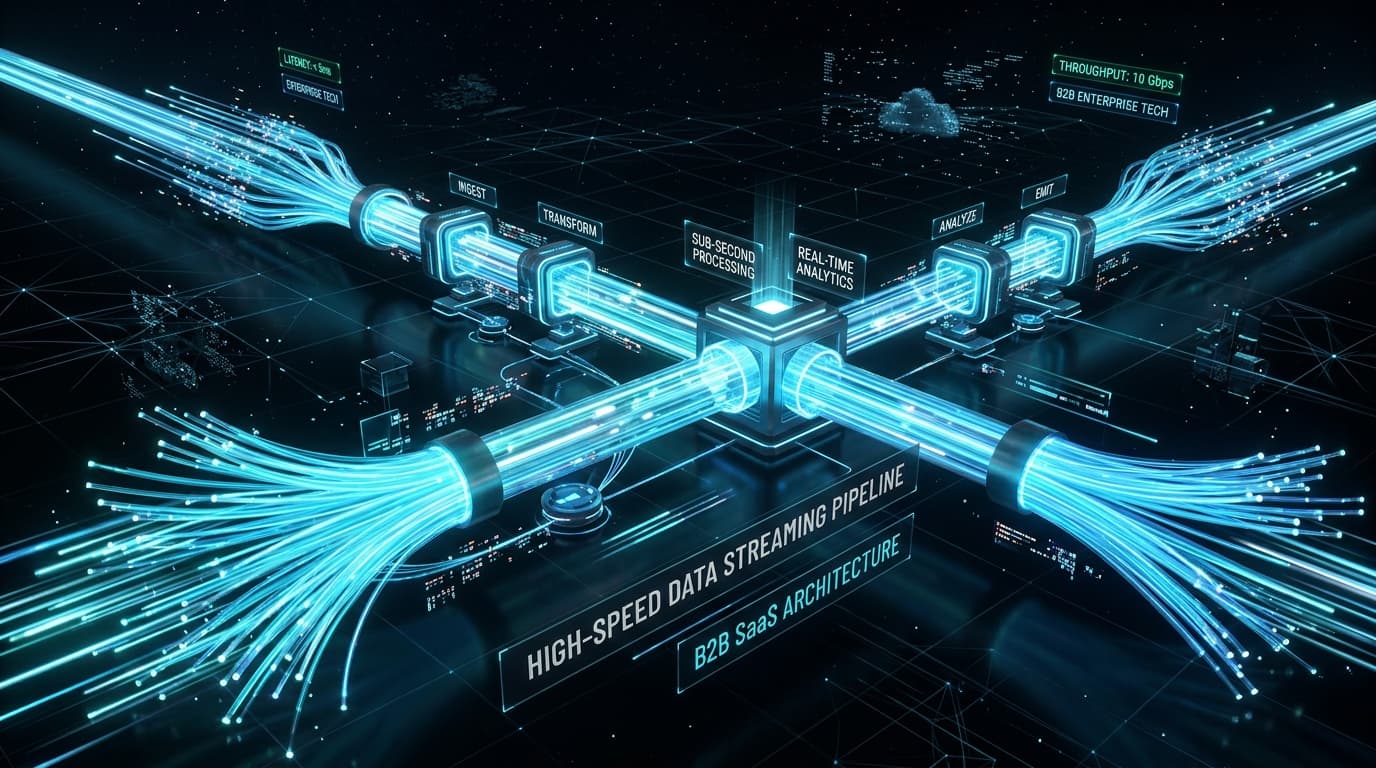
Streaming Infrastructure for PLG Conversion Engines
Learn why real-time streaming architectures are essential for triggering sub-second interventions and maximizing trial conversions in B2B SaaS platforms.
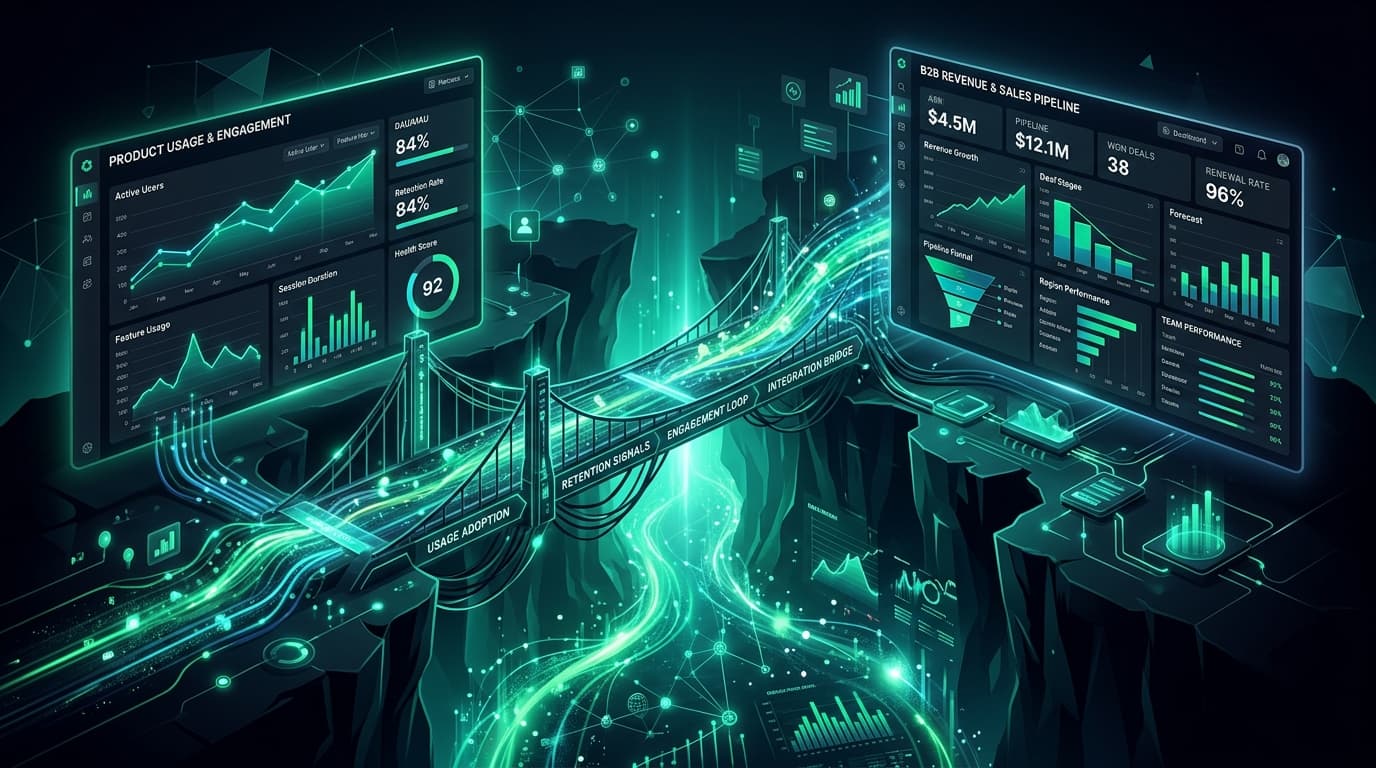
Bridging the AI Sales Intent Chasm in B2B SaaS
Bridge the gap between product usage signals and sales outreach by orchestrating AI-driven contextual handoffs that convert free trials to enterprise.